

Cats are animals that look small and playful, but their bodies need enough nutrients that are far more serious than many pet owners realize. Unlike dogs, which can thrive on a mix of meat and vegetables, cats are obligate carnivores. That means they really heavily rely on protein, mainly from animal sources, for their energy, growth, and long-term health. High-protein canned food isn’t just a premium choice on store shelves; it’s a fundamental requirement for keeping your cat healthy.
In this blog, we will explore why protein is so important, what happens if your cat doesn’t get enough of it, and how real-life examples show the differences high-protein diets make.
The role of the high protein cat food in their body.
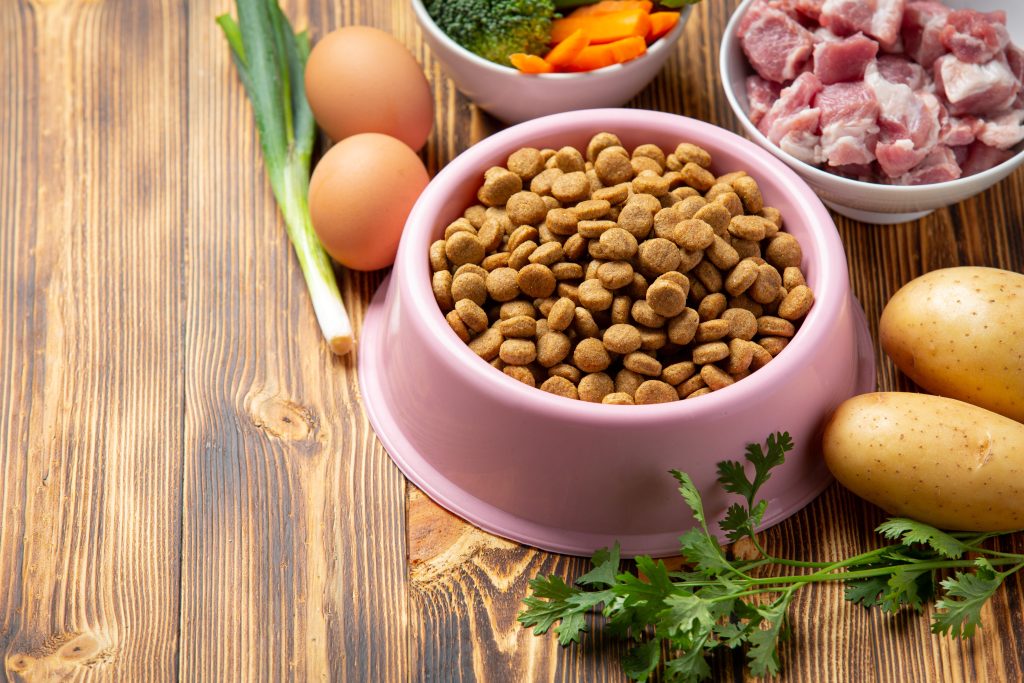
Protein is made up of amino acids, often called the building blocks of life. Just like humans, cats need these amino acids to maintain their muscles, repair tissues, and support vital body functions, but here’s the catch: cats can’t produce some of the essential amino acids on their own.
For example, taurine, an amino acid found only in animal protein, is crucial for cats. Without it, cats can suffer from blindness, ear diseases, and reproductive issues. A diet rich in high-quality foods ensures that they are getting taurine and other vital nutrients in the right amounts.
Why cats need more protein than Dogs
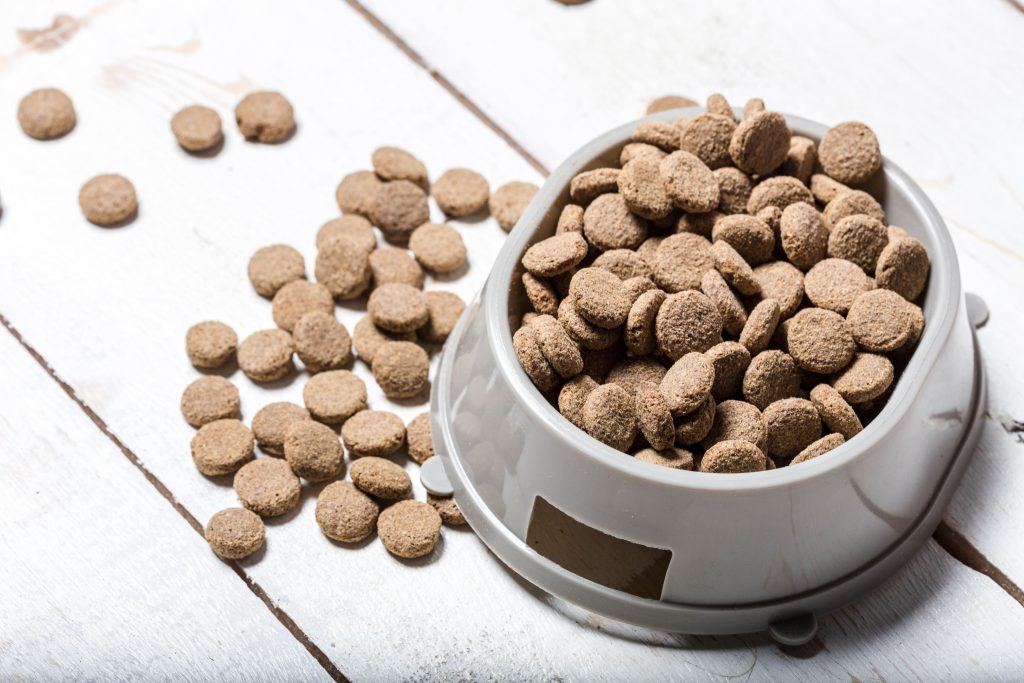
If you even wonder why your cat’s food looks meatier than your dog’s food, there is a reason: Cats need about twice as much protein in their diet compared to dogs.
That’s because their bodies are designed to burn protein as their main energy source, whereas dogs can burn carbohydrates and fats more efficiently.
On the other hand, while dogs can eat some grains and vegetables and remain healthy, cats must rely on a diet to meet their energy and health requirements.
What happens if cats don’t get enough protein?
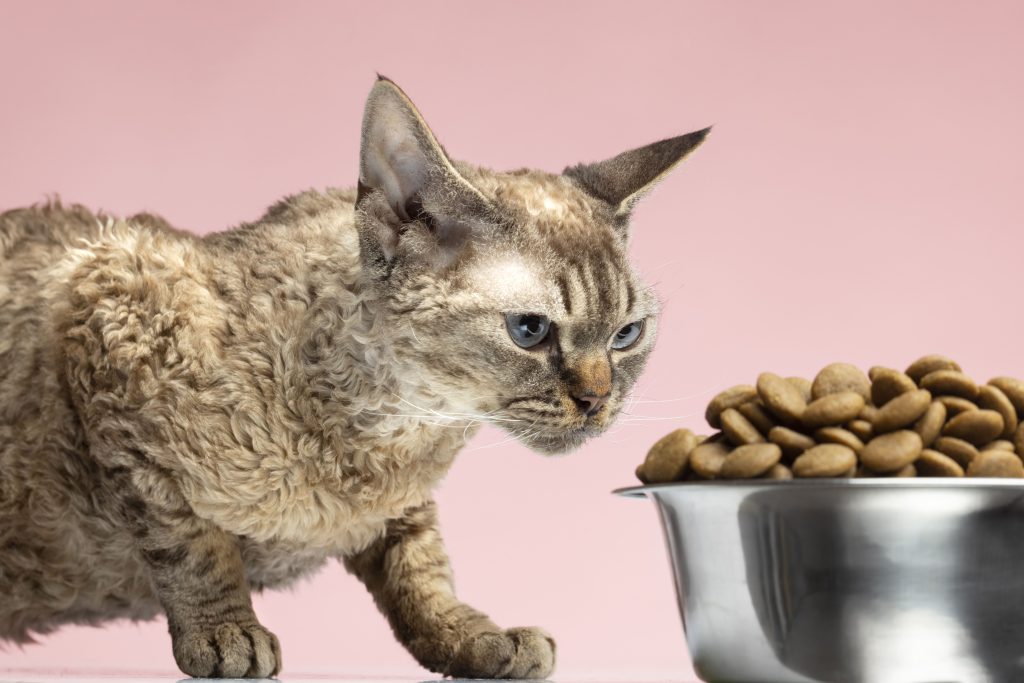
Lack of protein in a cat’s diet isn’t just a small problem; it can quickly lead to serious health issues. Here are some real outcomes when protein levels fall too low:
- Muscle loss: a cat may look thinner or weaker a their bodies start breaking down muscle tissues for energy.
- Poor cat’s health: protein, full skin and fur growth. Cats with low-protein diets often have dull, rough, or patchy coats.
- Immune weakness: white enough protein, a cat’s immune system struggles, leaving them more vulnerable to infections.
- Organ damage: long-term protein deficiency can harm the liver and kidneys, leading to chronic illness.
A vet shared a case of a senior cat that was being fed mostly rice and boiled vegetables by its owners, who thought it was healthier. Within months, the cat has severe muscle loss and heat problems due to protein deficiency. Once placed back on a high-protein meat diet, the cat’s health improved, although not all damage was reversible.
Benefits of high-protein cat food
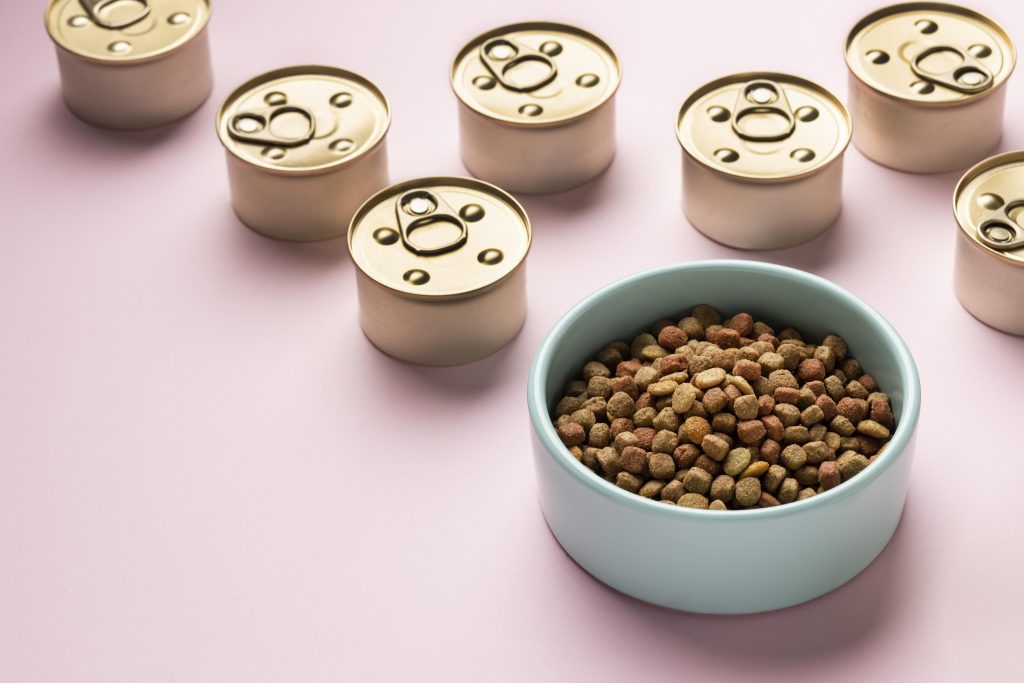
Feeding your furry friend high-quality cat food is about more than just avoiding problems; it actively promotes better health.
- Maintains lean muscle mass: just like athletes need protein to stay strong, cats use it to build and maintain muscles. This is especially important for active breeds like gengals or Abyssinians, who burn more energy.
- Supports healthy growth: kittens need extra protein because their bones are growing so quickly. A high-protein diet ensures they develop strong bones, muscles.
- Promotes better coat and skin: cats on high-protein diets often have shinier, softer coats. Protein helps the body produce keratin and other compounds essential for healthy fur.
- Boost energy level: since protein is their main energy source, cats with enough protein tend to be more playful, alert, and active.
- Supports senior cats: Older cats naturally lose muscle as they age. A protein-rich diet helps slow this process, keeping them stronger for longer.
Real-life example: a cat's transformations
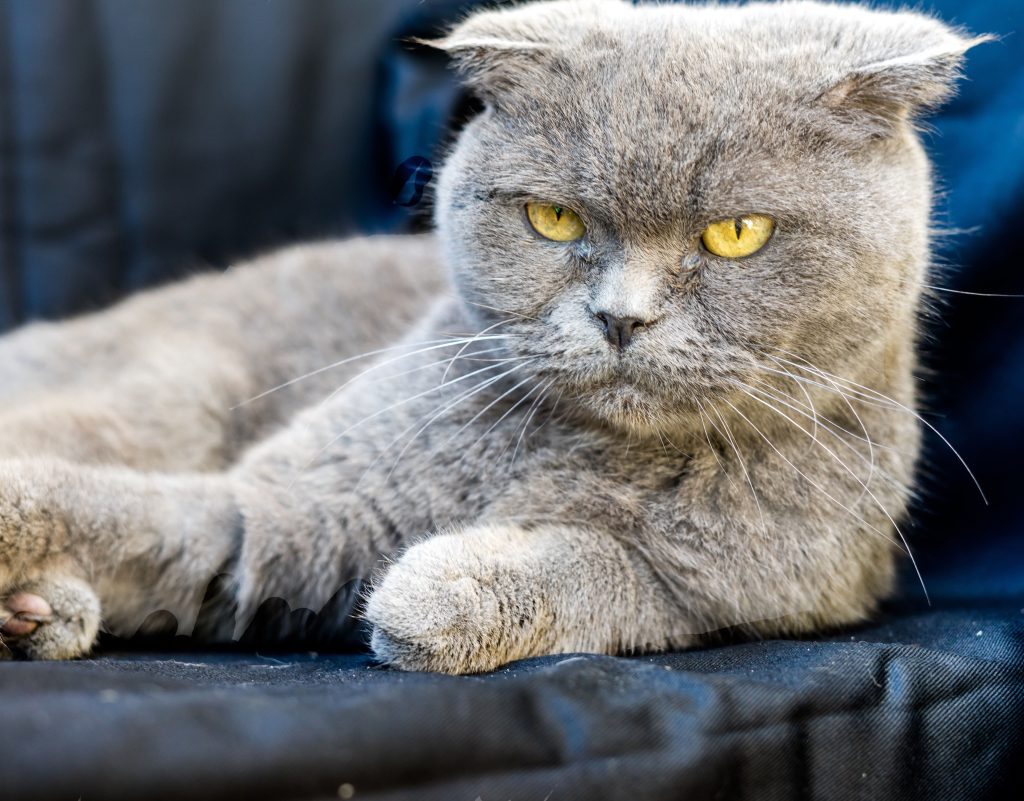
Talk a the story of Bella. A five-year-old rescued cat, when adopted, she was underweight, lethargic, and her fur was coarse and falling out i patches. Her previous diet had been cheap dry food with very little meat content.
Her new owners switched her to a high-protein cat food that listed chicken as the first ingredient. Within three months, Bella’s coat turned glossy, she gained healthy weight, and she started chasing toys around the house again. Her vet even commented on how much stronger her muscles had become.
These kinds of transformations are common when cats move from low-quality, grain-heavy food to high-protein diets.
How to identify high-protein cat food
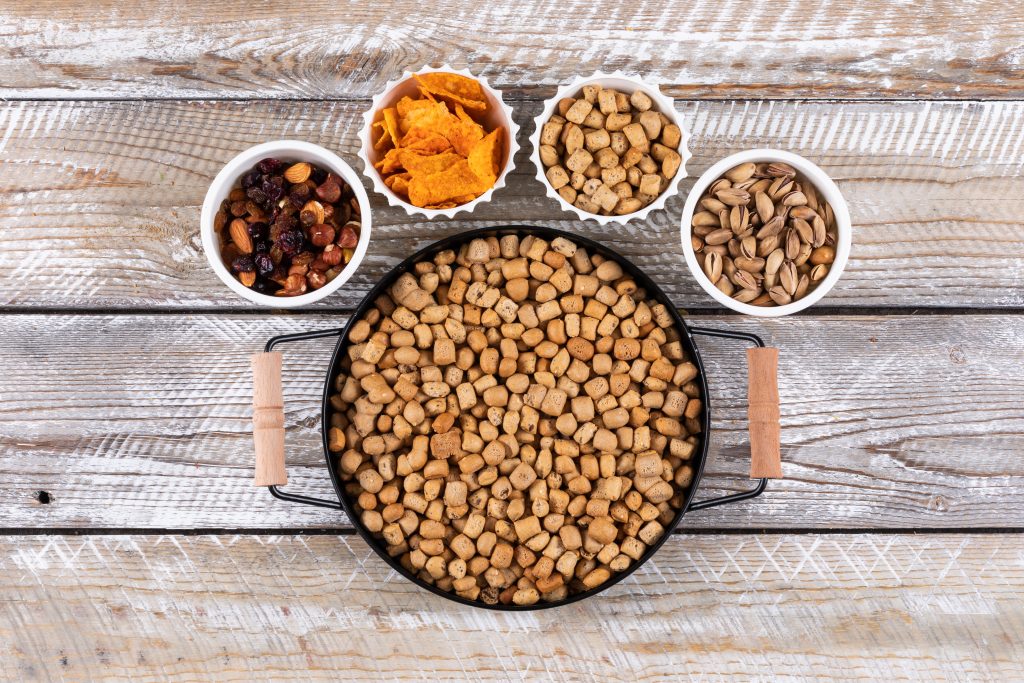
Not all foods labeled high-protein are equal. Pet food companies often highlight the word protein on their packaging, but you should also check the details.
Here is what to look for:
- Meat Listed First: Chicken, turkey, salmon, or beef should be the first ingredient. Avoid foods that list corn or soy first.
- Crude Protein Percentage: Look for at least 30–40% protein in dry food and around 8–12% in wet food.
- Animal Protein Over Plant Protein: Some foods use pea protein or soy, but these don’t provide the essential amino acids cats need.
A good rule of thumb is this: if you wouldn’t recognize the ingredients as real food, it probably isn’t the best choice for your cat.
Common misconceptions about protein

Some cat owners worry that high-protein diets can harm the kidneys. This is often a result of confusion with dog nutrition. For healthy cats, high-quality food is not only safe but necessary. The only times vets may recommend a lower protein diet is for cats already diagnosed with kidney diseases, and even then, it’s carefully balanced under veterinary supervision.
Another misconception is that cats can live well on a vegetarian diet. This is dangerous. Because cats cannot make taurine, vitamin A, or arachidonic acids their own, a plant-based diet can never fully replace animal protein sources.
Choosing the right protein sources
Different protein sources can have different benefits:
- Chicken and turkey: lean, digestible, and great for most cats.
- Fish: add omega-3 fatty acids for skin and joint health, but should not be the only source due to mercury concerns.
- Beef or lamb: rich in nutrients but may be harder for some cats to digest.
Rotating between different protein sources can help prevent food allergies and provide a wider range of nutrients.
Tips for transitioning to high-protein food
If your cat is used to lower-quality food, switching suddenly can upset their stomach. Transition slowly:
- Start by mixing 25% new food with 75% old food.
- Gradually increase the new food over 7–10 days.
- Watch for signs like diarrhea or vomiting. If these occur, slow down the transition.
Cats can also be picky eaters. Warming up wet food slightly or adding a small amount of broth can make it more appealing.
Conclusions
High protein cat food now isn’t a luxury- it’s a basic necessity for your cat’s health. From building strong muscles to maintaining a shiny coat and supporting lifelong energy, protein is the cornerstone of feeling nourished. Real-life cases, like Bella’s transformations, show just how dramatic the difference can be.
As a responsible cat owner, your job is to read labels carefully, choose foods with quality animal protein, and make sure your furry companions get what their body truly needs. In return, you will have healthier, happier, and more active cats who thrive for yours to come.