

When you welcome your furry friends into your life, their health and well-being become top priority. Vaccaries are among the best ways to secure your furry friend’s health. Vaccinations protect pets from potentially fatal diseases, ensuring your beloved companions’ long, happy, and active lives. This blog will explore everything you need to know about pet vaccinations, including their importance, schedule, and tips for keeping your pet healthy.
Here is the extreme guide on the pet vaccination process
Why Are Pet Vaccinations Important?
You must design some areas of your home as pet-free zones, especially bedrooms. Since you spend a significant amount of time in you bedroom, keeping it allergies-free can help you to reduce exposure. Use door barriers or gates to enforce these boundaries and make these a haven for allergy relief.
Prevent Pet Allergies Pro tips: you can invest in hypoallergenic bedding and pillowcases for an added layer of protection against your pet’s allergies.
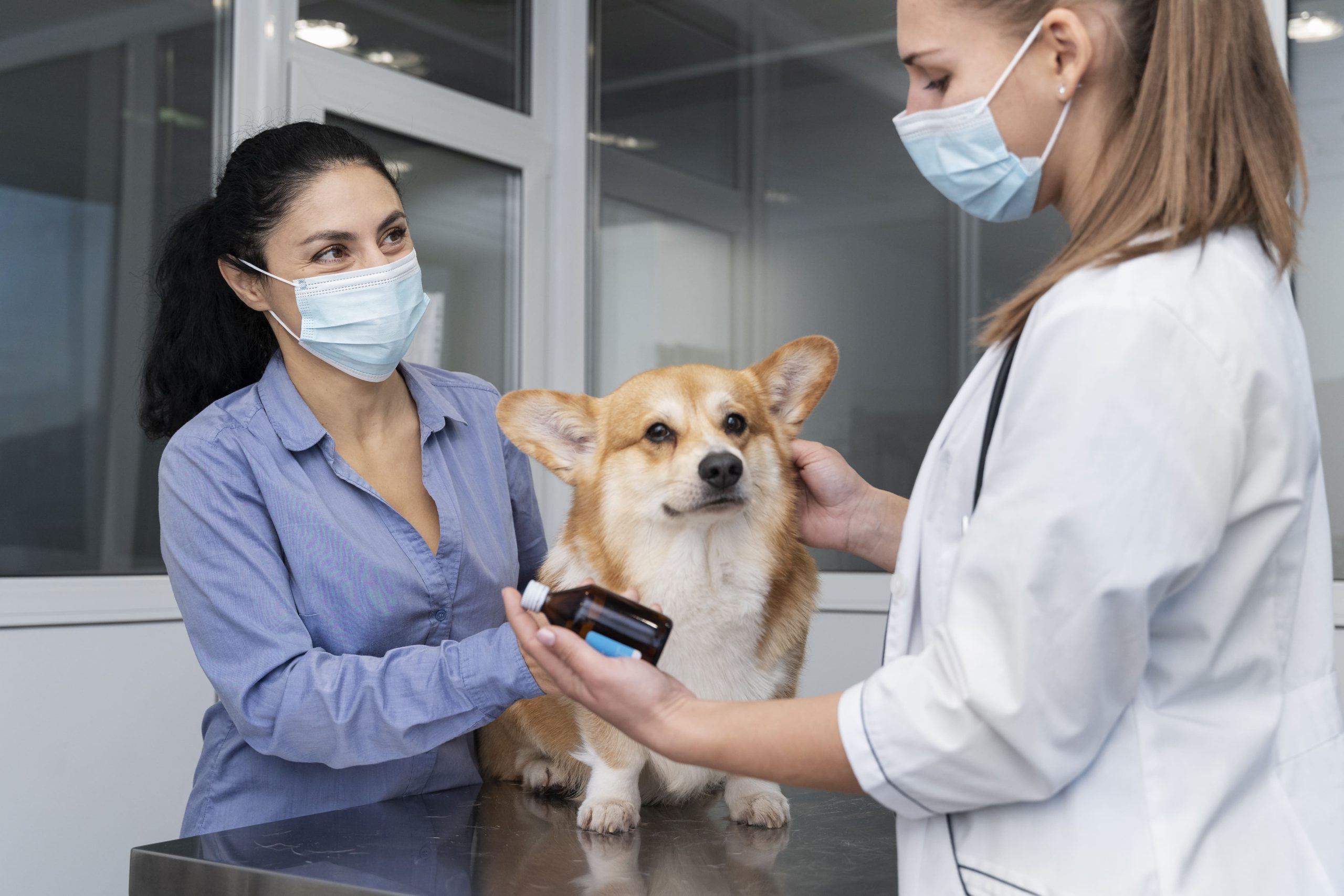
Core vs Non-Core Vaccines
Veterinary vaccines are divided into two categories core and non-core vaccine
Let’s understand the categories of Core and non-core
- Core vaccinations
These are essential vaccinations for all kinds of pets, regardless of lifestyle, as they protect against diseases that are widespread, severe, or transmissible to humans.
For Dogs, core vaccinations:
- Rabies
- Distemper
- Parvovirus
- Adenovirus (Canine Hepatitis)
For cats, core vaccinations include:
- Rabies
- Feline Herpesvirus (FHV-1)
- Feline Calicivirus (FCV)
- Feline Panleukopenia Virus (FPV)
- Non-Core Vaccines
These are recommendations based on vaccines based on your pet’s lifestyle, locations, and risk of exposure to certain diseases.
For Dogs. non-core vaccines may include:
- Bordetella (Kennel Cough)
- Lyme Disease
- Leptospirosis
- Canine Influenza
For cats, non-core vaccinations may include:
- Feline Leukemia Virus (FeLV)
- Chlamydophila Felis
Before vaccinations discuss your pet’s lifestyle and environment with your veterinarian to determine which no-core vaccinations are appropriate.
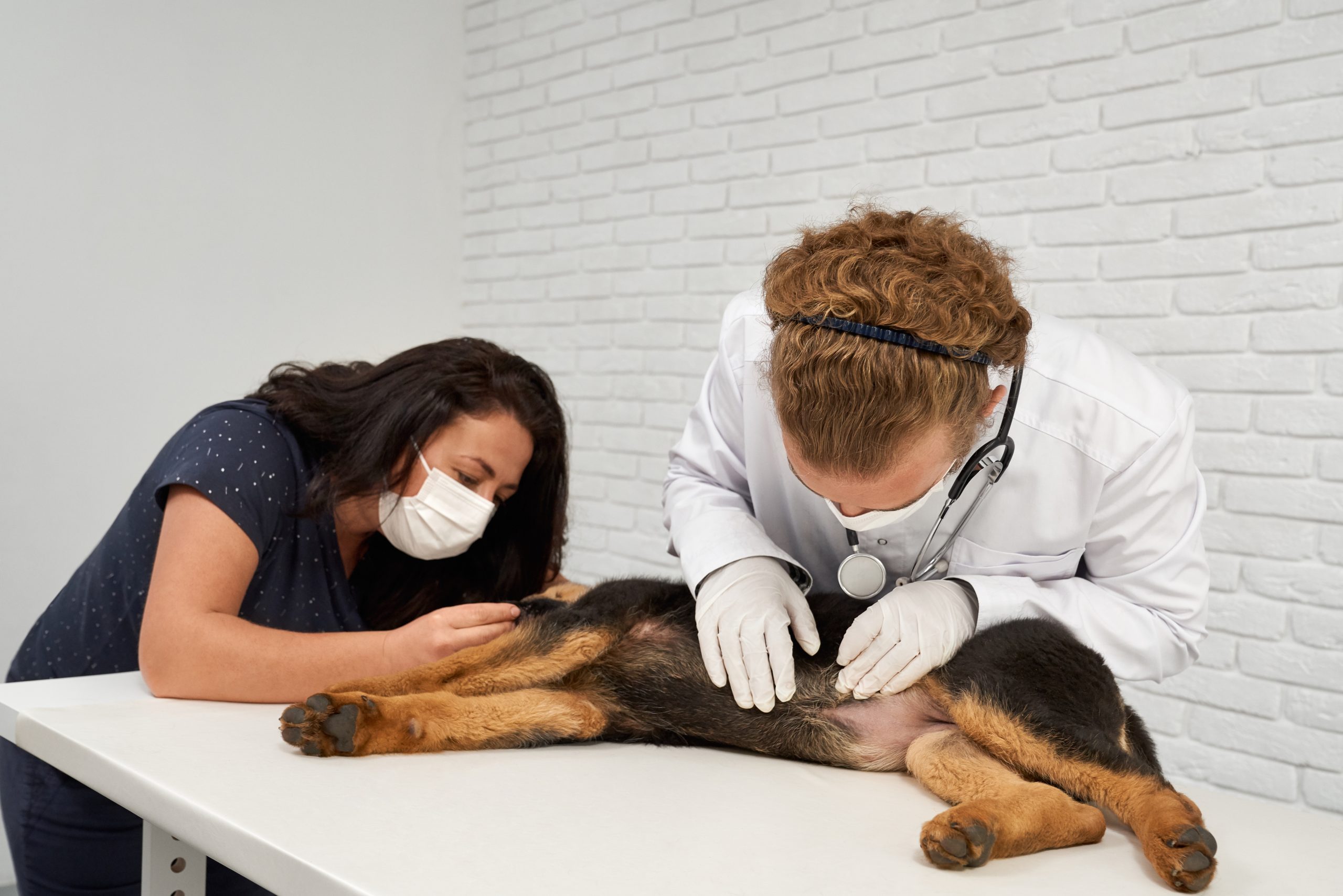
Understanding the Pet Vaccination Schedule
Most people mistake the pet vaccination schedule they forget this time. Vaccination schedules depend on your pet’s age, species, and medical history. Here are general guidelines.
For puppies and kittens
Puppies and kittens need a series of vaccines to build their immunity system:
- 6–8 weeks old: First round of core vaccines.
- 10–12 weeks old: Booster shots.
- 14–16 weeks old: Final booster shots, including rabies.
For Adult Dogs and Cats
After completing puppies and kittens’ age vaccinations, your pet needs booster shots to maintain immunity
- Core vaccines: Administered every 1–3 years, depending on the vaccine.
- Non-core vaccines: Administered annually or as advised by your vet.
Senior Pets
Older pets have different needs and different vaccinations. Your vet can assess their health and tailor a schedule accordingly.

Potential side effects of vaccinations
While vaccines are generally safe some of case pets may experience mild side effects Like
- Low-grade fever.
- Decreased appetite or energy for a day or two.
- Soreness or swelling at the injection site.
Serious side effects, such as allergic reactions are rare. Signs of an allergic reaction include
- Swelling of the face or limbs.
- Vomiting or diarrhea.
- Difficulty breathing.
If your pet faces this kind any issue contact your veterinarian immediately
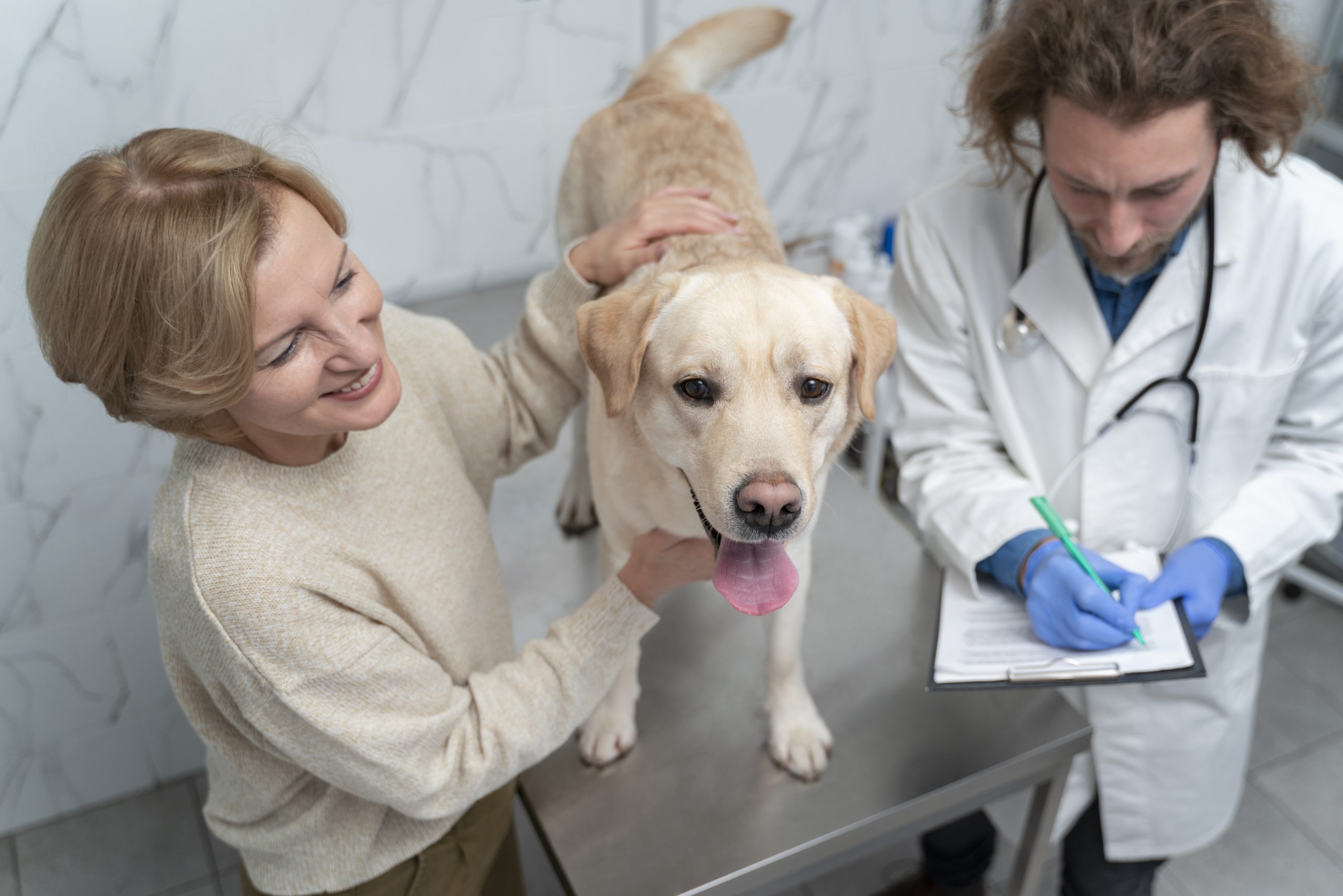
Tips for a Smooth Vaccination Experience
- Stay calm: Pets can sense your emotions, so stay calm down in the vaccination process and help them feel comfortable
- Use reward: try to give them a treat or favorite toy to reward your e pet after the appointment
- Plan post-vaccine rest: Allow your pet to take enough rest after the vaccination process is done.
- Keep records: don’t forget the nest next vaccination schedule after the first vaccinations.
Conclusions
Pet vaccinations are one of the simplest and most effective ways to protect your pet’s health. By staying informed and working closely with your veterinarian you can ensure your furry friends receive the care they need to thrive.
Remember, vaccinated pets are not on;l;y healthy they are also happier companions for you and your families. Whether it’s their first puppy or kitten shots or annual boosters, make vaccinations or priorities in your pet’s health.
Frequently Asked Questions about Pet vaccination
- Are vaccines safe for all pets?
Ans: Yes, of course, Vaccines are safe for the majority of pets. However pets with certain medical conditions may require a modified vaccination plan, overall vaccine is the most important part of you and of your furry friend’s health.
- What happens if I miss a booster shot?
Ans: If you miss the booster, then you have to contact your vet as soon as possible, dealing booster can reduce vaccine effectiveness but your vet can guide you on the next steps.
- Can indoor pets skip vaccinations?
Ans: No, Even indoor pets are at risk of exposure to diseases through visitors and other pets or pets line mosquitoes and ticks. Core vaccinations are essential for all pets
- How do vaccines work?
Ans: Vaccines introduce a small, harmless part of the disease to your pet’s immune system, training it to recognize and fight the disease in the future.
Ready to book your pet’s vaccination appointment? Contact your veterinarian today to keep your furry friend safe and protected!