

As a pet owner, sometimes, we see our furry, featured, or even scaled friends as a family just as we focus on nourishing our bodies. It’s essential to understand that our pet’s health and happiness significantly depend on Pet food nutrition. But there are so many pet food options on the market, so, how can we choose the right one? So, worries, in this blog we will guide you to choose the best pet food nutrition that helps you make informed decisions to support your pet’s well-being.
Why Pet Food Nutrition Matters
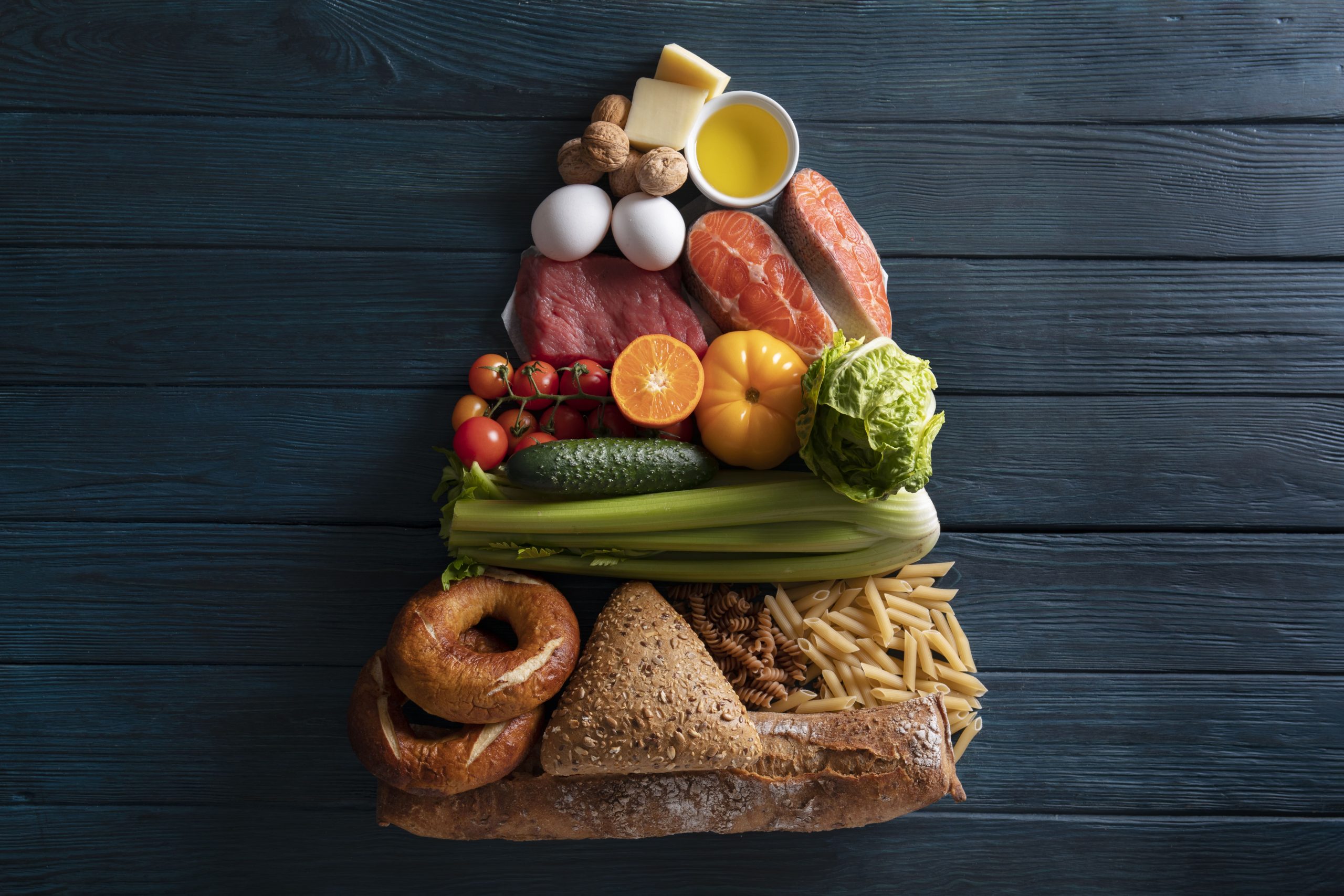
Food nutrients play an important role in your pet’s overall health, lifespan, energy levels, and mood, like humans, pets require a balanced diet of protein, fats, carbohydrates, vitamins, and minerals that maintain optimal health. Deficiencies or excesses can lead to various health issues like obesity, kidney issues, heart disease, and digestive problems. In the below, we give some breakdown of the primary nutrients every pet needs and what they do.
Fats: provide us energy, support skin and coat health, and fats vital elements for cell function.
Carbohydrates: Supply quick energy to the body and support digestive health
Proteins: Are essential for skin tissue repair, muscle growth, and immune system health.
Vitamins and minerals are needed for various bodily functions, such as bone health, immune responses, and blood clotting.
Understanding how this works for anybody will help you choose Pet Food Nutrition that supports your unique needs.
The Basics of a Balanced Diet
Proteins
Protein is very essential for pets, particularly to build muscle in their body. And improve their immunity system and functionality overall vitality. Different types of pets require protein sources and amounts. Dogs instance are omnivores and can consume a mix of aminal and plant-based protein, while cats are obligate carnivores, meaning they need high levels of animal protein to thrive.
Carbrohydred
Often you can maintain a controversial diet then carbrohydred is not inherently bad for your pets. They provide energy, aid in digestion, and help with satiety. However, excessive carbs can lead to weight gain, especially, in animals with lower energy needs.
Fats
In healthy fats particularly have Omega-3 and Omega-6 acids. And that is essential for coat health, skin moisture, and joint functions. Different kinds of fish oil are popular sources of Omrega-3 and omega-6 and it is commonly found in meat. The balance of these fats is crucial for preventing inflammations and supporting a stong immunity system.
Vitamins and Minerals
These micronutrients may be needed in a small amount of your pet’s body. But they are vital elements of your body. For everything from bone health to cell repair. Calcium and phosphorus, for example, are crucial for strong brons. while vitamins like E and C help with immune health.
Choosing Between Commercial and Homemade Diets
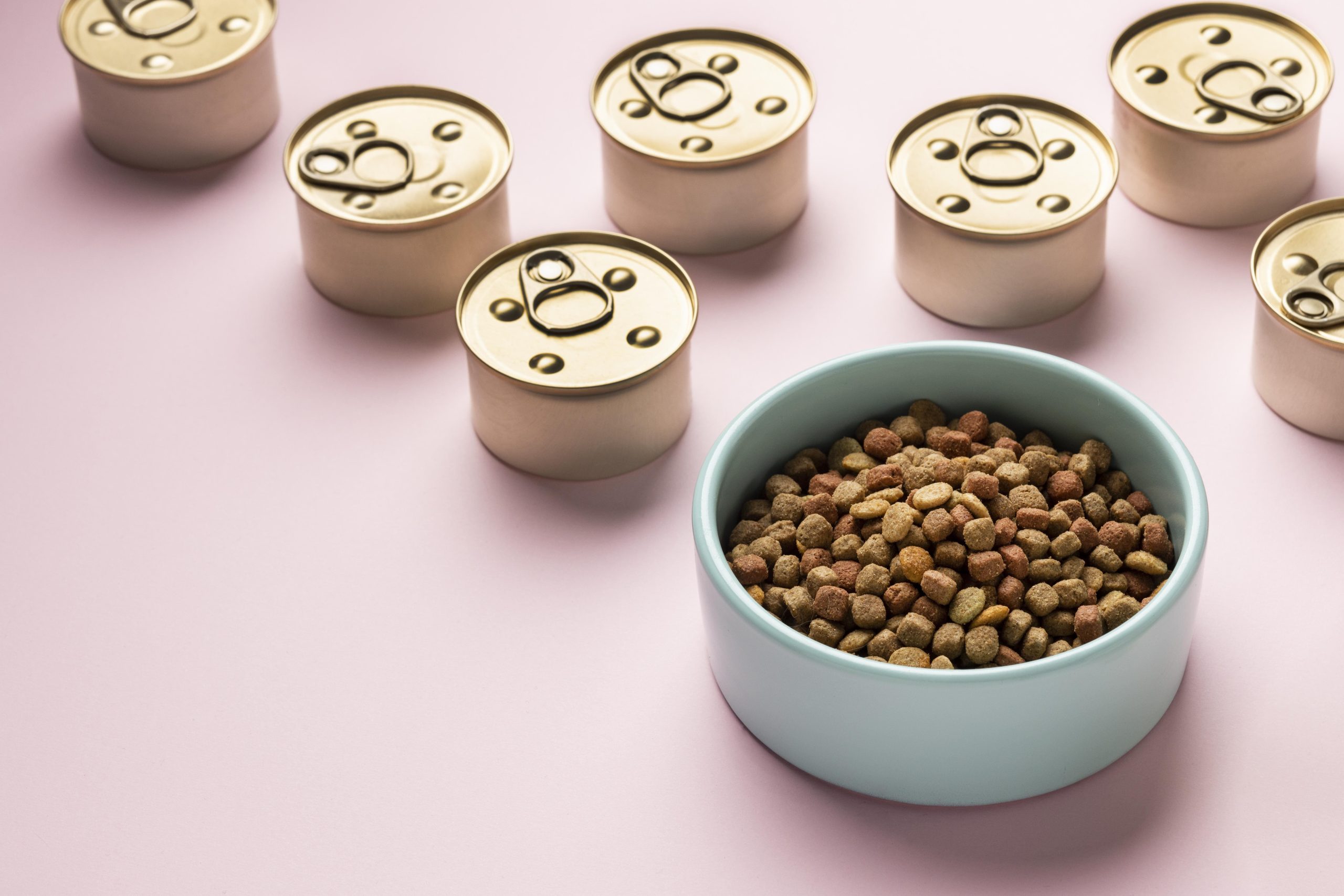
When you decide to your pet on a diet then you may consider commercial pet food or homemade pet food options. Each one has different pet food nutrition here are the pros and cons<<<
- Commercial pet foods
Commercial food nutrition balanced food with specific formulas for different life stages, sizes, and health needs. However, not all pet foods are crafted equal. High-quality pet food brands focus on whole-food ingredients without unnecessary filters while others may contain preservatives, by-products, and artificial ingredients
How to Choose the Quality Commercial Pet Foods
- Read the Ingredients list: Before buying any commercial food Look for real meat Like chicken, beef, or fish and preservatives.
- Avoid artificial additives: Try to avoid this kind of food including artificial color, flavors, and preservatives.
- Check for AAFCO approval: The Association of American Feed Control Officials, (AAFCO) sets nutritional standards. So choose this kind of food that meets the guidelines
- Homemade Diets
Homemade diets allow us to control the quality type of the ingredients but doing this requires careful planning to ensure nutrition balanced.
Common Pet Food Myths and Misconceptions
Pet nutrition is often surrounded by misconceptions. Let’s debunk a few:
- Gain free-diets are batter
Grain-free diets are not necessarily healthier unless your pet has a specific allergy to grain. Grain on o a good source of fiber. grain-free diets have been linked to heart issues in dogs, so consult your vet before switching.
- Raw diets are always healthier
Raw diest always gives you quality nutrition but also carries risks like bacterial contamination. They also required careful planning to ensure they were balanced. Always consult a vet before switching to raw feeding.
Tips for Feeding Your Pet the Right Way
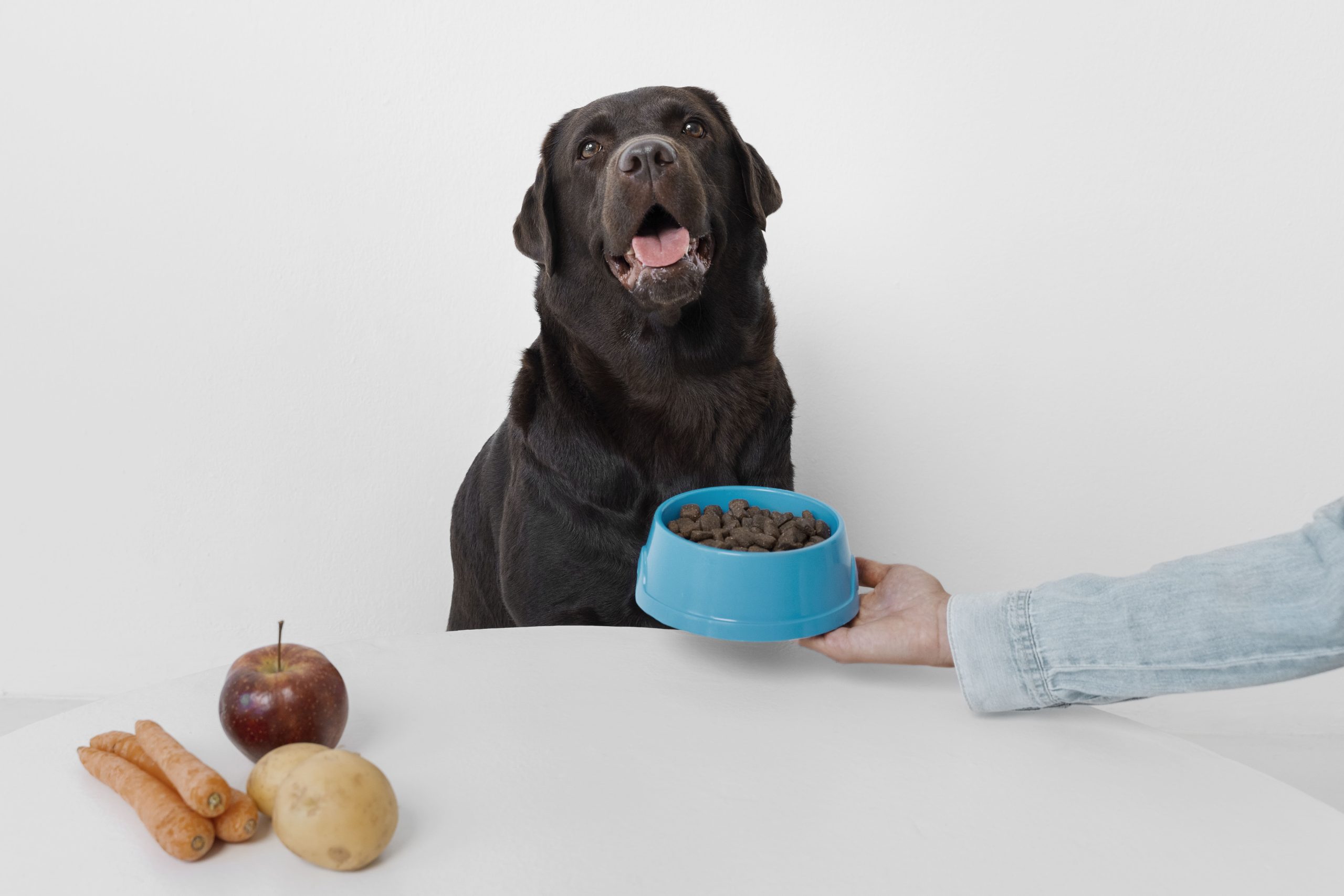
- Portion Control
Overfeeding is a common issue. Follow feeding guidelines on pet food packages and adjust based on your pet’s activity level, age, and size. Regular weigh-ins with your vet can help ensure your pet maintains a healthy weight. - Regular Meal Times
Establishing consistent meal times helps pets with digestion and can prevent obesity by regulating hunger levels. - Introduce New Foods Slowly
When changing your pet’s food, gradually introduce the new diet over a week to avoid digestive upset. Mix small amounts of the new food with the old, gradually increasing the new food ratio. - Stay Hydrated
Ensure fresh, clean water is available at all times, as hydration is essential for digestion, temperature regulation, and overall health.

Conclusion
Providing your pet with food nutrition is one of the most impactful ways to support their health and happiness. By understanding pet nutrition choosing the right and consulting with your veterinarian, you can make informed decisions that positively impact your pet’s life. Remember, nutrition is a cornerstone of wellness, and a well-fed pet is a happy pet!