

Birdwatching is a rewarding and tranquil hobby that connects you with nature. One of the best ways to invite featured friends to your backyard is by providing them with a cozy and safe birdhouse. However, not all birdhouses are created equal. Choosing the right one requires some thought about the types of birds you want to attract, the environment, and the materials used. In this blog, we will guide you in selecting the perfect bird house for your backyard birds.
Here is the ultimate guide on how to choose a large bird cage or a small birdcage
Understanding Your Bird’s Needs
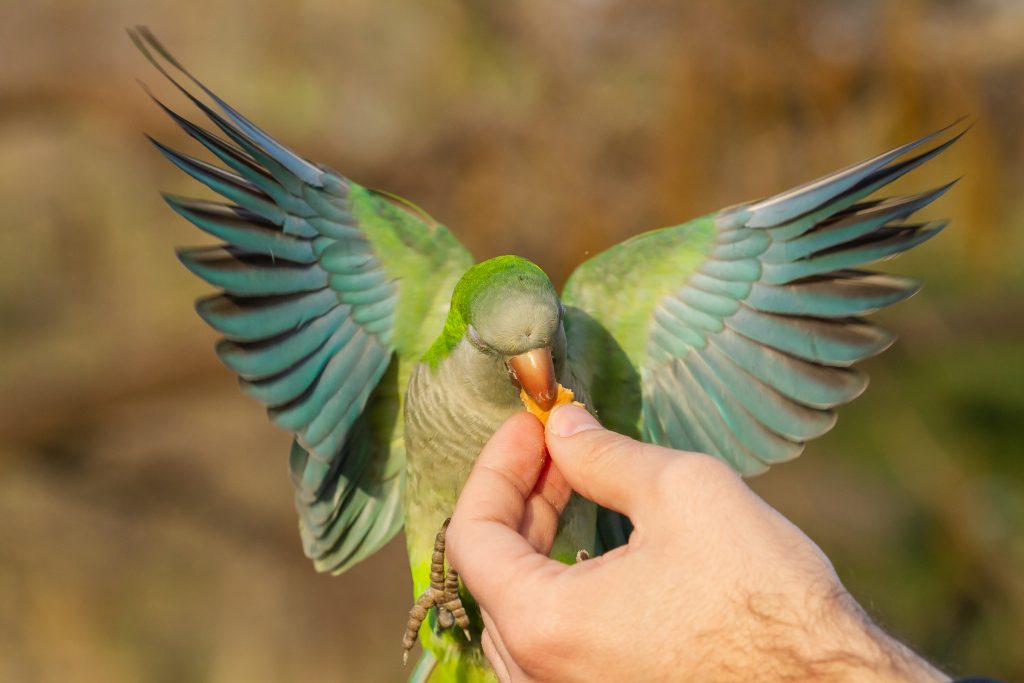
Before we dive into the specifics of the cage sizes, it’s essential to understand the needs of your birds. Different species have different space requirements, so a one-size-fits-all approach does not work
Small Birds Cage
Finches, canaries, parakeets, and lovebirds fall into a category of small birds. These species are highly active and require ample space to hop and fly short distances.; A small cage might be suitable for these birds. Prude that it offers enough room for movement and exercise.
Medium-Sized Birds Cage
Cockatiels, conures, and smaller parody species fall in this category. While they don’t require enormous cages, they do benefit from a medium-to-large space that allows them to spread their wings and move freely.
Large Birds Cage
Macaws, African Greys, and cockatoos need much more space than smaller birds. These species are highly intelligent and require room not only for movement but also for enrichment, such as toys and porches, A small cage would be detrimental to their well-being, leading to stress and behavior issues.
Small Bird Cages: Pros and Cons
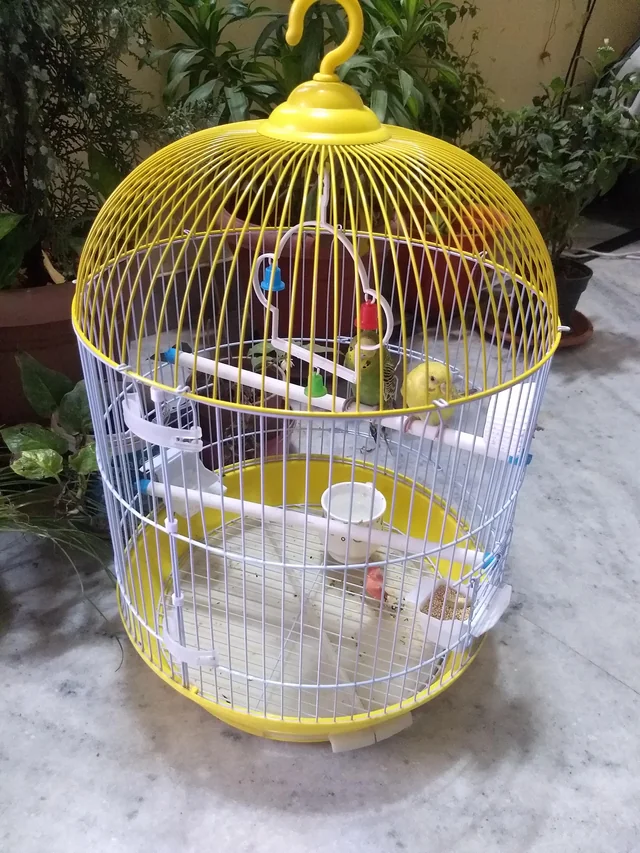
Pros
- Space-Saving – Small cages are ideal for homes with limited space.
- Easier Maintenance – A smaller cage is easier to clean and manage.
- Lower Cost – Generally, small cages are more affordable than large ones.
- Portable – Smaller cages are easier to move, making travel or repositioning within the house more convenient.
Cons:
- Limited Space – Birds may not have enough room to stretch their wings and fly.
- Boredom Risk – Limited space may reduce the ability to place multiple perches, toys, and enrichment activities.
- Behavioral Issues – Birds in cramped spaces may develop stress-related behaviors such as feather plucking or excessive screaming.
Large Bird Cages: Pros and Cons
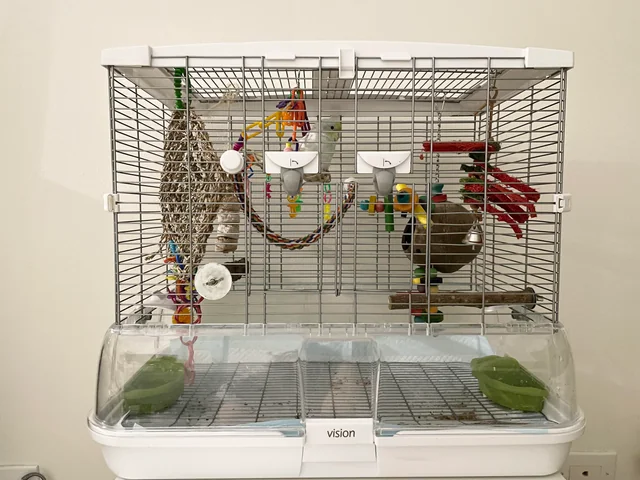
Pros:
- More Room for Exercise: A larger cage provides ample space for birds to move, fly, and play.
- Greater Enrichment Opportunities: More room allows for additional perches, swings, ladders, and toys.
- Improved Mental and Physical Health: Birds are less likely to develop behavioral problems when they have adequate space to explore.
- Better Socialization: If you have multiple birds, a larger cage allows for better interaction and minimizes territorial disputes.
Cons:
- Takes Up More Space: Large cages require significant space in your home.
- Higher Cost: Larger cages tend to be more expensive.
- Difficult to Clean: A bigger cage means more effort in terms of cleaning and maintenance.
Challenging to Move – Large cages can be heavy and difficult to relocate.
How to Choose the Right Cage Size
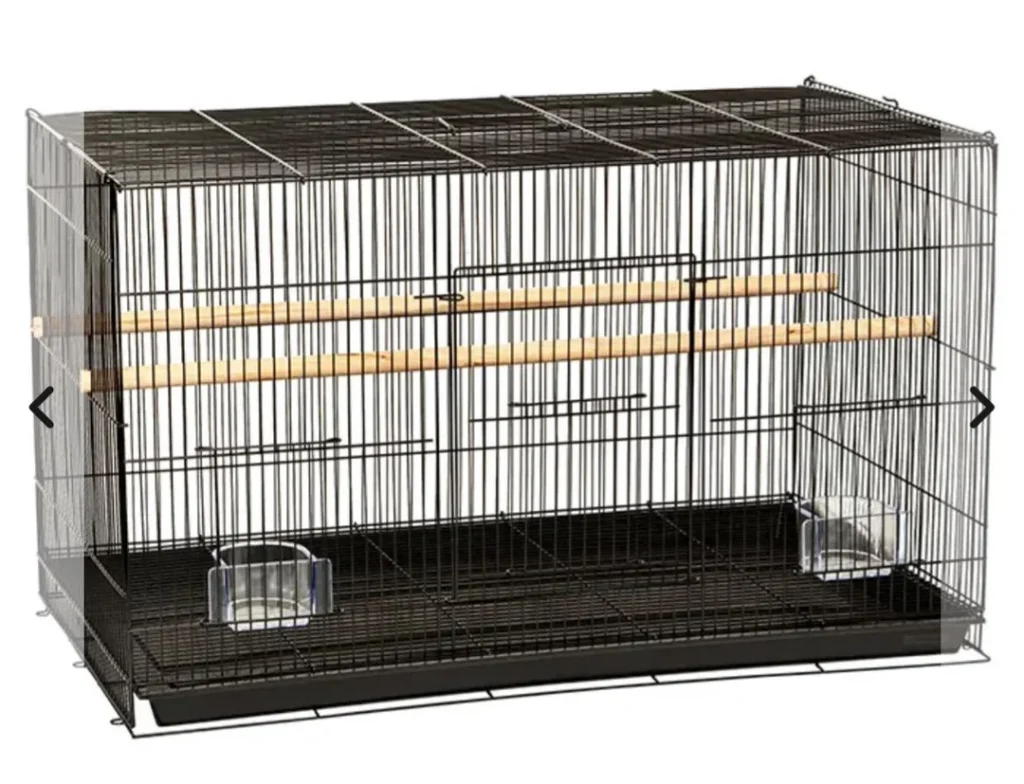
Consider Your Bird’s Natural Behavior
Birds are highly active and love to fly animals, such as finches and parakeets, will benefit from a cage that is wider rather than taller. Conversely, birds that enjoy climbing, such as parrots and cockatoos, will need a cage with ample vertical space and multiple perches.
Ensure Proper Bar Spacing
Bar spacing is just as crucial as cage size. Small birds require narrow bar passing (around ¼ to ½ inch) to prevent them from escaping or getting stuck. Larger birds need winder bar spacing (¾ inch to 1.5 inches) to accommodate their backs and claws.
Consider Your Space Availability
A Large cage is always preferable if space is not a limitation, however, if you have limited space, opt for the largest possible cage that comfortably fits in your home while still allowing free movement.
Look at Your Budget
While large cages provide many benefits, they can be costly. If budget constraints exist, try to find the best balance between affordability and provide enough space for your birds to Comfort
Think About Future Needs
If you plan to get another bird is the future, it’s better to invest in a larger vague from the start. This ensures that your birds will have enough space to coexist peacefully.
Alternative Solutions: Aviaries and Play Stands
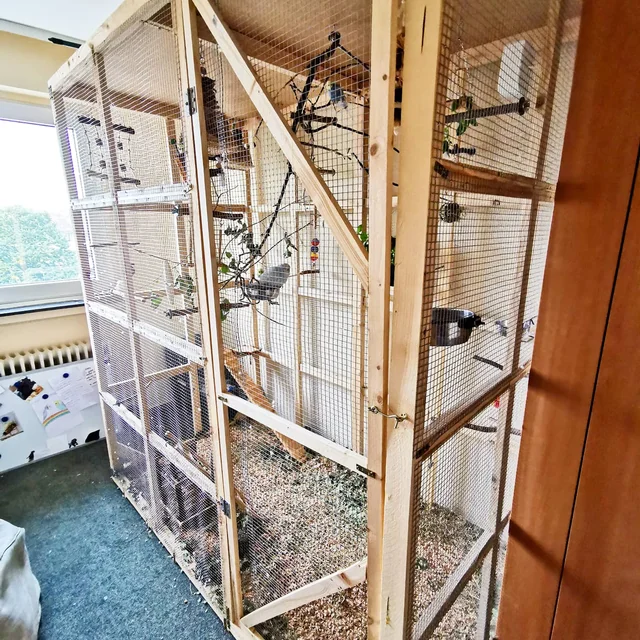
If a large cage isn’t feasible for you, consider alternative solutions such as an aviary or play stand. Aviaries provide birds with a near-natural habitat, offering much more space than traditional cages. Play stands, on the other hand, allow birds to exercise and interact with their surroundings outside the cage while still having a safe space to return to.
Conclusions
Ultimately, the best cage size for your bird depends on their species, personality, and active level. While small cages may be suitable for certain birds, a larger cage generally provides better enrichment and higher quality of life. If possible, opt for the largest cage. It is more than just a place for your birds to stay- it’s their home, and ensuring it’s spacious, safe, and stimulating will lead to happier, healthier pets.
FAQ-Which one is better for you large bird cage or small bird cage
- What size cage is appropriate for my bird?
The ideal cage size depends on your bird’s species and activity level. Generally, larger cages are preferable as they provide more space for movement and enrichment. Ensure the cage allows your bird to fully extend its wings and engage in natural behaviors.
- Can a cage be too large for a bird?
While it’s uncommon, a cage can be too large if it doesn’t provide a sense of security or if the bar spacing is inappropriate for the bird’s size. However, most birds benefit from having ample space to move and explore.
- How does bar spacing affect my bird’s safety?
Proper bar spacing prevents your bird from escaping or getting stuck. Small birds require narrower spacing (around 1/4 to 1/2 inch), while larger birds can have wider spacing (3/4 inch to 1.5 inches).
- Are there alternatives to traditional bird cages?
Yes, alternatives like aviaries and play stands offer more space and enrichment opportunities. Aviaries provide a near-natural habitat, and play stands allow birds to exercise outside the cage while still having a safe space to return to.
- How often should I clean my bird’s cage?
Regular cleaning is essential for your bird’s health. Spot-clean the cage daily by removing waste and uneaten food, and perform a thorough cleaning, including washing perches and toys, at least once a week.