

Adopting a Rescue dog is a noble act of love and compassion. However, this dog often carries emotional scars from past traumas or abuses. Fear and anxiety are common challenges for many rescue dogs, but with patience, understanding, and the right approval, they can overcome these hurdles and thrive in your new home. In this blog, we will help you explore practical steps to train you how to recuse dogs to overcome fear and anxiety, ensuring a happier and healthier life for both of you. So, without wasting your time. Let’s began
Understanding Fear and Anxiety in Rescue Dogs
Rescue dogs may develop fear and anxiety due to various reasons:
- Past Trauma: Abuse, neglect, or abandonment.
- Genetics and Personality: Some breeds or individual dogs are more prone to anxiety.
- Sudden Changes: Transitioning to a new home or environment can be overwhelming.
- Lack of Socialization: Limited exposure to people, other animals, or environments.
Recognizing signs of fear and anxiety is crucial. Common symptoms include excessive barking cowering, trembling destructive behavior, or refusal to eat. Understanding the trigger, such as loud noises, unfamiliar people, or certain objects, can help you address their specific needs effectively.
Step 1: Create a Safe Environment

After recusing a dog your first task is to provide a sense of security for your rescue dog, here is how:
- Designate a Safe Space: Set up a quiet area where your dog can retreat when he can felling overwhelmed. And create a blanket or a cozy corner works well.
- Consistent Routine: Regular feeding, walking, and play schedules reduce unpredictability and foster trust.
- Minimize Stressors: you have to be concerned about always avoiding exposing your dog to loud noises, crowded places, or chaotic environments, especially in the initial days.
Step 2: Build Trust Through Positive Reinforcement
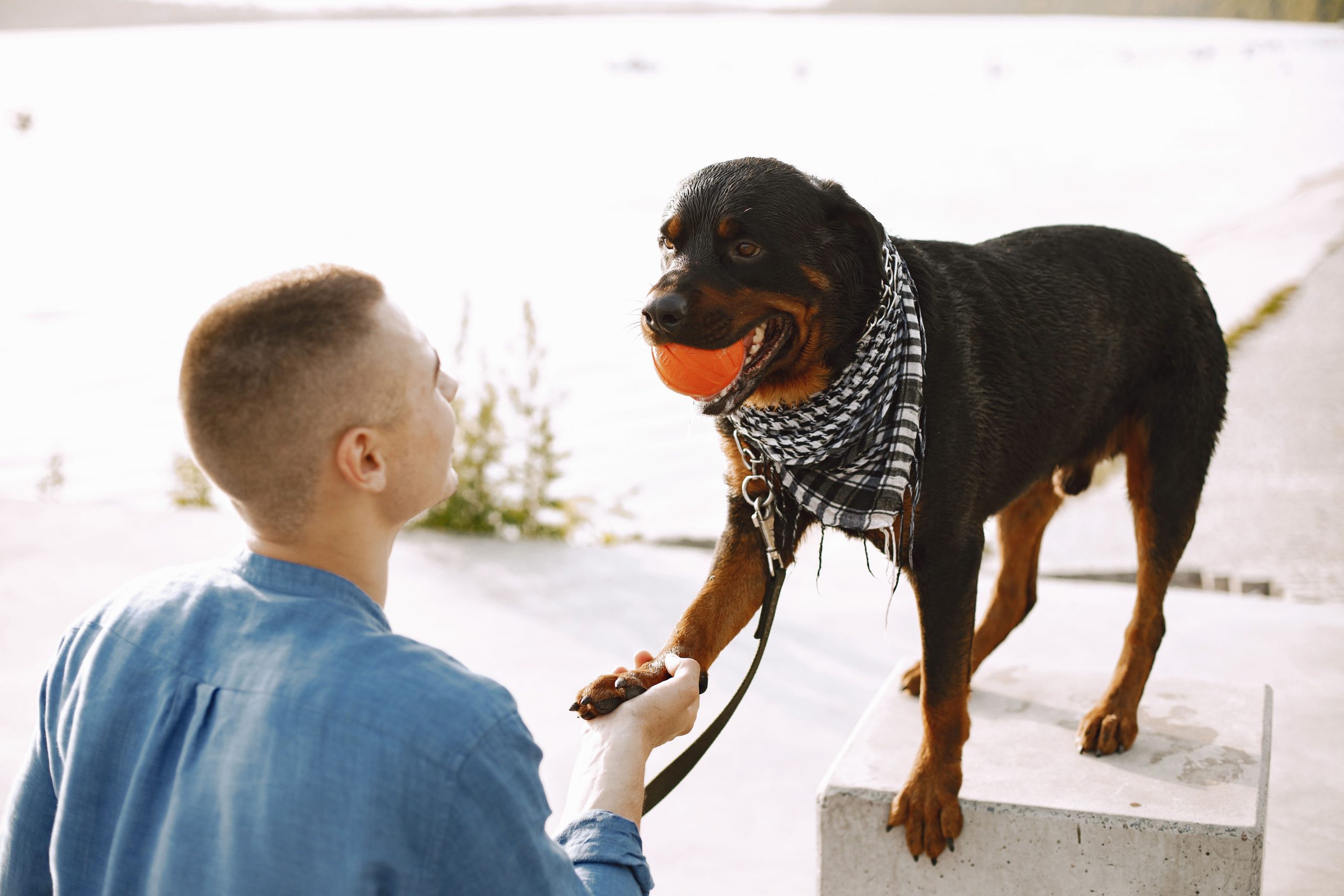
Building trust with your furry friends needs a lot of time, but positive reinforcement techniques can speed up the process.
- Reward Him By Her Good Behavior: Praise and reward your dog with treats, toys, or affection when they exhibits calm behavior or respond well to commands.
- Try to avoid punishment: By punishment a fearful dog can exacerbate anxiety and erode trust, instead redirect unwanted behavior gently.
- Use Calming Signals: Sit on the floor, Avoid direct eye contact, and speak in a soft tone to convey calmness.
Step 3: Gradual Desensitization and Counter-Conditioning
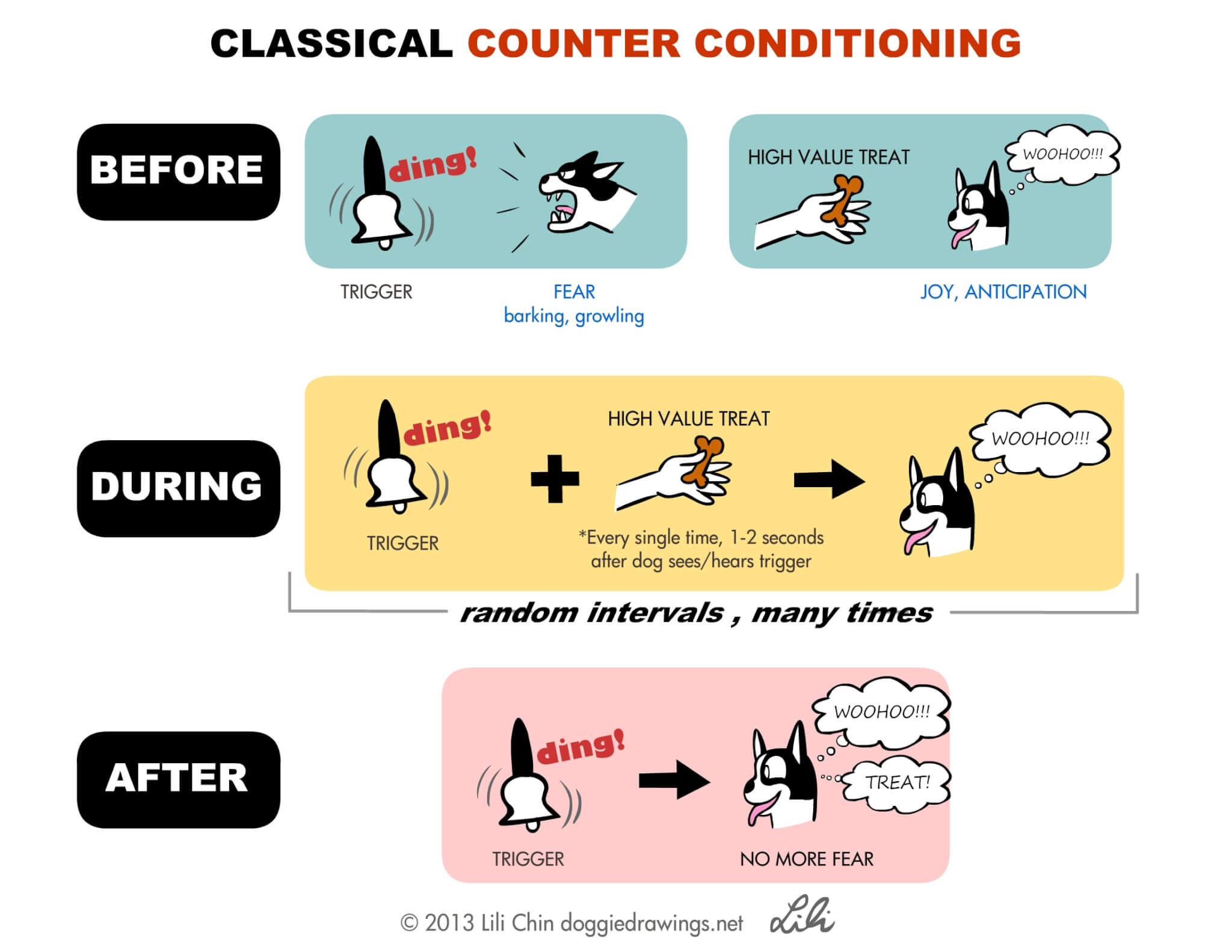
These techniques are particularly effective for dogs with specific fears:
- Desensitization: Gradually expose your dog to their fear trigger in a controlled and non-threatening way. For example, if your dog has a fear of a vacuum cleaner, then try to clean someday your home without the vacuum cleaner. Over time, increase their exposure as they grow comfortable.
- Counter-Conditioning: Pair the fear trigger with a positive experience. For Example. try to offer treats or play with their favorite toy when the trigger is present to reframe emotional response
Step 4: Socialization with Care
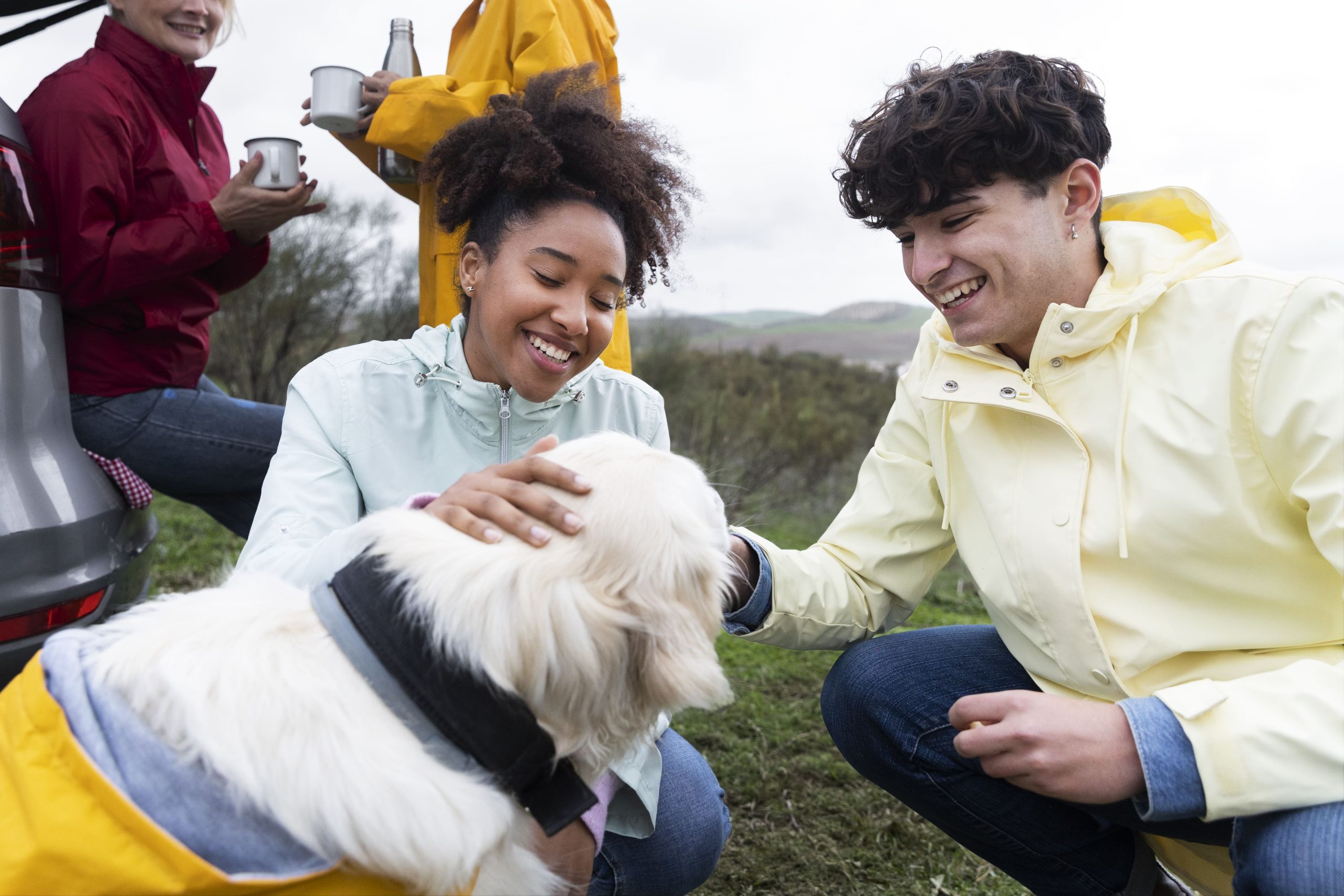
Socializing is one of the effective ways to feel your dog comfortable in different situations
- Controlled Exposure: Always try to introduce your dog to new people, pets, or environments gradually. Keep the initial interaction brief and positive to avoid overheating.
- Dog training classes: Joining group classes that provide a controlled setting for your dog to learn social skills while interacting with others.
- Walks and Outdoor Time: Go out for regular work with your dog in quiet neighborhoods can help desensitize your dog to outdoor stimuli, building confidence over time.
Step 5: Use Calming Tools and Techniques
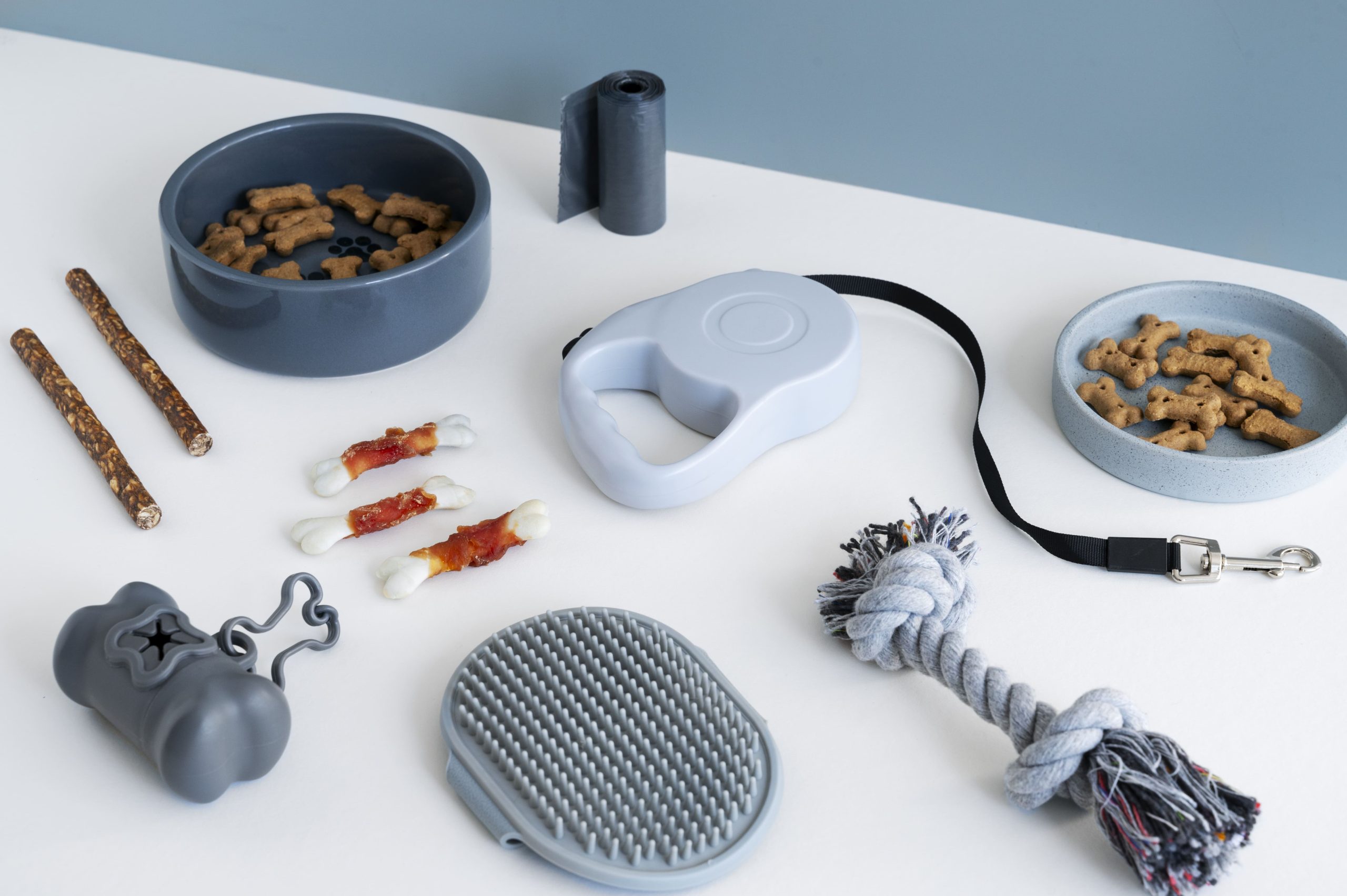
There are a lot of tools available on the market, and certain tools and techniques can help ease your dog’s anxiety:
- Calming Products: A certified dog trainer knows how to reduce rescue Dog Anxiety. They can help you and also provide tailored solutions.
- Relaxation Techniques: Massage therapy and slow, gentle petting can reduce tension and create a calming effect.
- Interactive Toys: Puzzle feeders and chew toys provide mental stimulation, distracting your dog from their fears.
Step 6: Seek Professional Help if Needed

In most cases, feast and anxiety may require professional interventions :
- Certified Dog Trainers: Trainers specializing in behavioral issues can provide tailored solutions.
- Veterinary behaviors: If anxiety is severe, a veterinary behaviorist can assist your dog and provide you right medications or advanced Therapies.
- Behavioral Therapy: Techniques like desensitization and counter-conditioning can be more effective when guided by professionals.
Step 7: Be Patient and Persistent
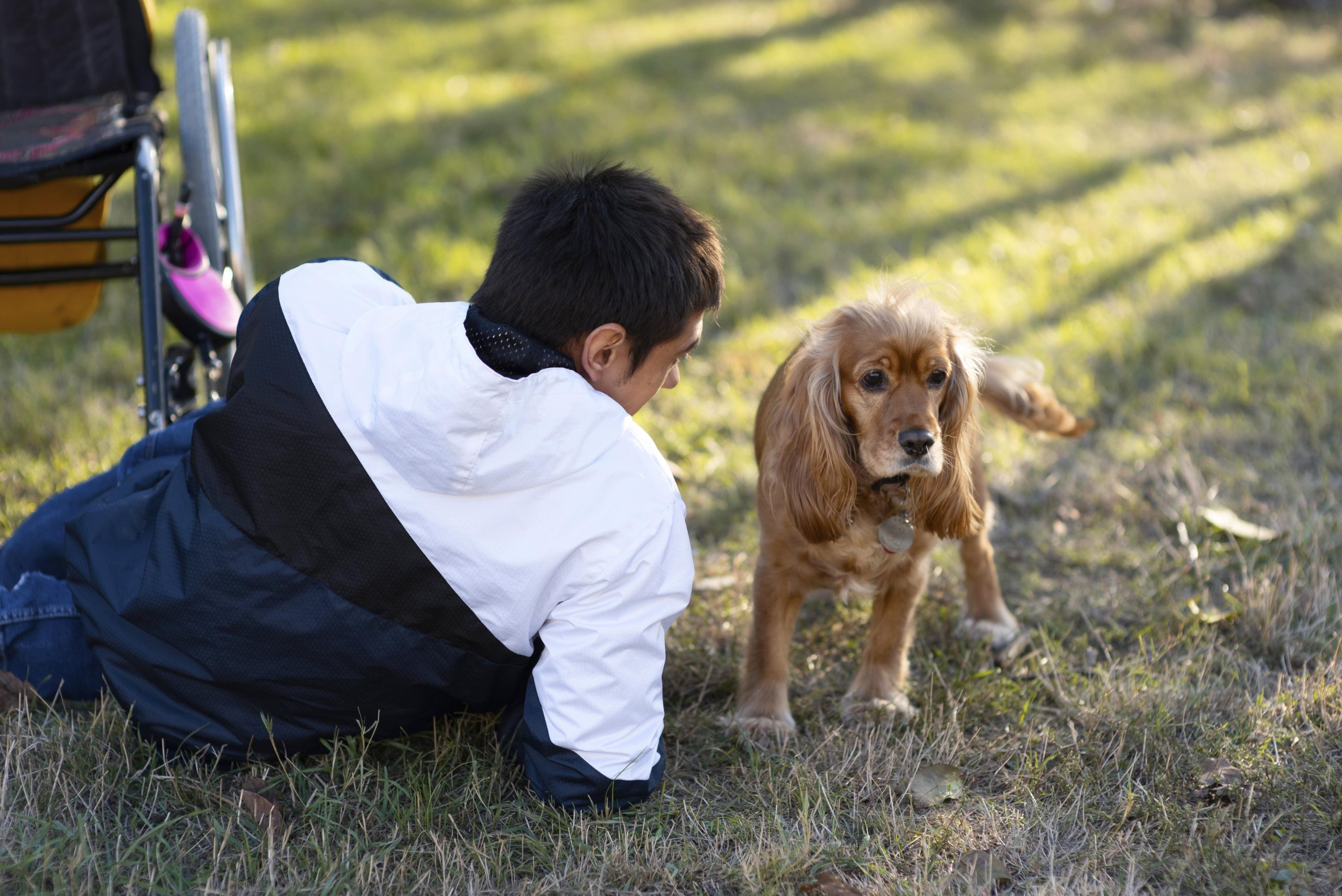
Practice and proper training are the keys to helping your rescue dog overcome fear and anxiety. progress may be slow, and setbacks are common, but consistency and compassion will ultimately yield positive results, celebrate small victories, and remember that dogs’ journeys are unique.
Success Stories: Inspiration from Real-Life Cases
If you read many Rescue dog case studies many dogs have transformed from anxiety and fear to confidence and loving companions. For Example
- A dog recused from a heading situation learned to rus humans through months of positive reinforcement and gentle exposure therapy.
- A puppy with severe separation anxiety overcame her fears with crate training and interactive and gradual alone-time sessions.
From these successful stories, you can learn the power of love patience, and pepper training in changing a rescue dog’s life.
Conclusions
By proper training, a rescue dog can overcome fear and anxiety and it’s a journey of mutual growth and trust. By creating a safe environment, building trust using positive vibes, and seeking professional help when it; ‘s necessary you can help your furry friends feel secure and happy. Remember the nod you will forms during this process is incredibly rewarding and the transformations in your dog’s life will be a testament to you dedication and love.
Embrace the challenge and give your rescue dog the chance to lead a life full of joy. Confidence and unconditional love.