

Birdwatching is a rewarding and tranquil hobby that connects you with nature. One of the best ways to invite featured friends to your backyard is by providing them with a cozy and safe birdhouse. However, not all birdhouses are created equal. Choosing the right one requires some thought about the types of birds you want to attract, the environment, and the materials used. In this blog, we will guide you in selecting the perfect bird house for your backyard birds.
Here is the step-by-step guide on how to select a perfect Birdhouse
1. Understand Your Local Bird Population
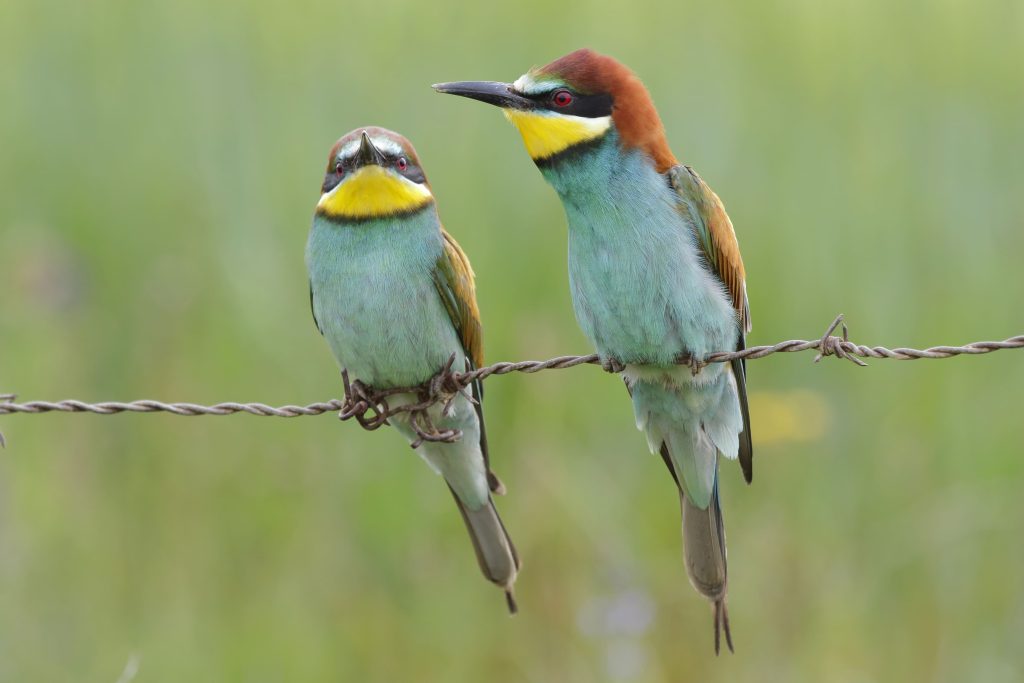
Before you purchase or build a bird house, knowing which bird species frequent your area is important. Different birds have specific nesting needs and preferences, for example
- Bluebirds prefer houses with small, round entrance holes and spacious interior
- Werns are less picky and favor houses with smaller openings to keep predators out
- Chickadees also like small openings and require a bit of insulation for colder climates.
- Woodpeckers often prefer houses made of thicker wood or even natural cavities.
Before you move to research the common backyard birds in your region, as this will guide your birdhouse choice.
2. Choose the Right Size and Design
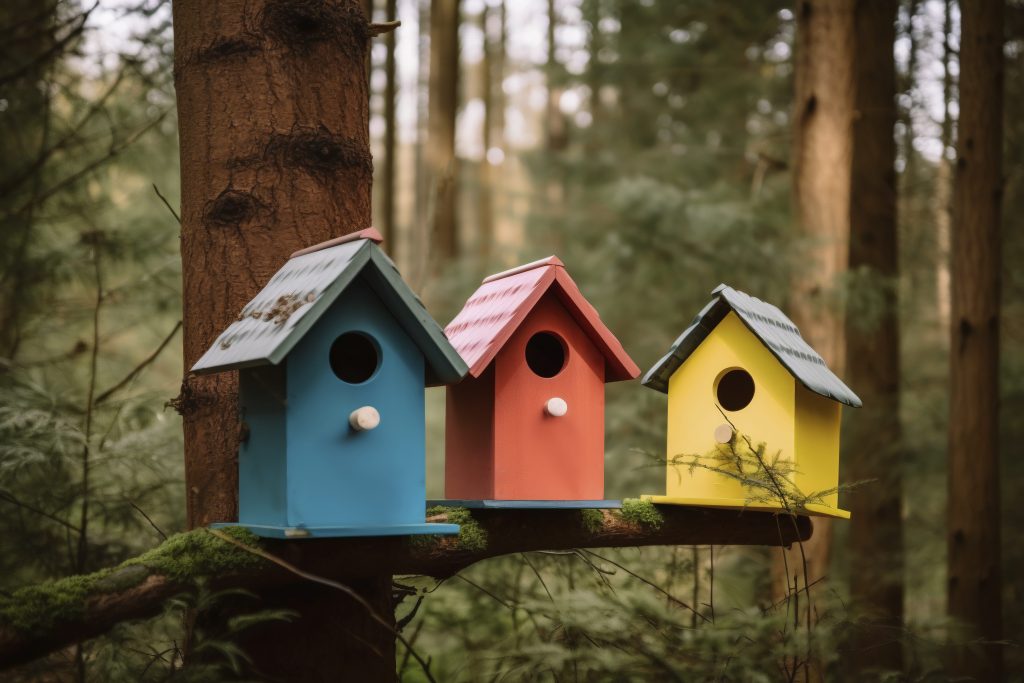
Bird houses play a vital role in attracting the right birds. If they don’t have enough space to move their feather will break, and feel sick. So, here weather to consider:
Entrance Hole sizes:
- Entrance Hole Size: This is perhaps the most critical factor. The hole size determines which birds can enter and keeps larger, unwanted species out. For instance, a 1.5-inch is ideal for bluebirds, while can fit through a 1-inch hole.
- Interior Space: the interior space dimensions should be comfortable for the birds. Should their nest. Too much space can lead to heat loss, while too little can make nesting uncomfortable.
- Ventilation and drainage: ensure the birdhouse has small ventilation holes near the top and drainage holes at the bottom to keep the interior dry and breathable.
- Roof overhang: A well-designed roof overhang protects the entrance from rain and excessive sunlight.
- Ease of cleaning: choose a birdhouse with a panel or door that can opened for cleaning. Regular maintenance prevents disease and keeps the house inviting.
3. Pick the Right Materials
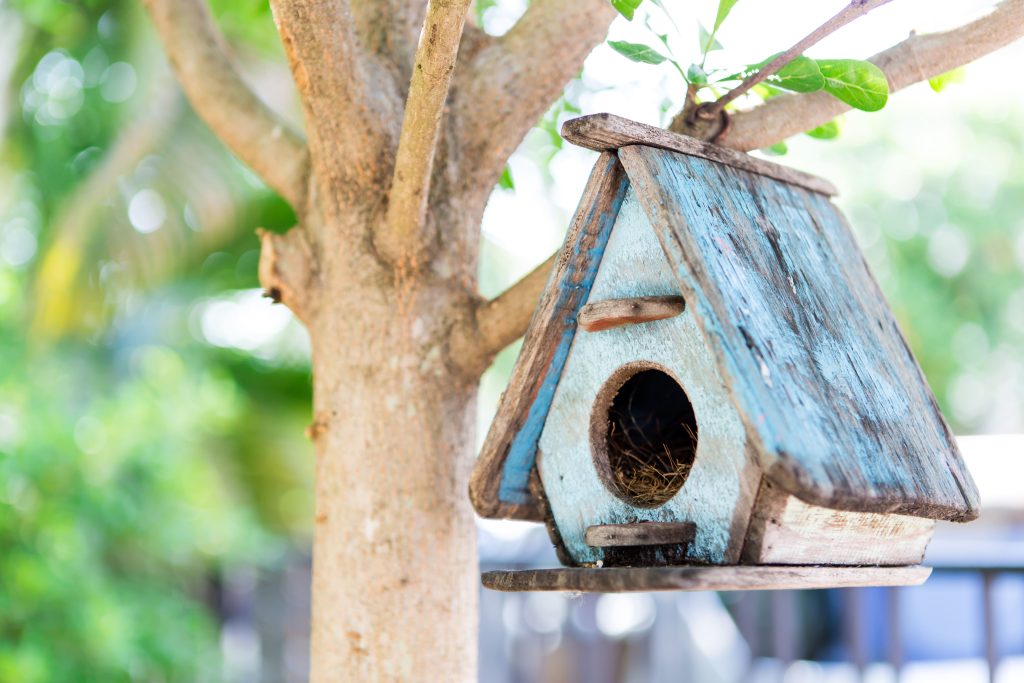
The material of the birdhouse significantly impacts its durability and safety. Here are some tips that help you choose the right one:
- Wood: natural, underrated wood is the best material for board houses, It’s breathable, insulates, and mimics natural nesting, Avoid using pressure-treated wood, as it may contain harmful chemicals
- Metal: while metal birdhouses may look modern, they can overheat in the sun, making them unsuitable for most birds.
- Paints and finishes: if you paint the birdhouse, use non-toxic water-based paints on the exterior only natural wood tones or muted colors like green and brown will help the environment.
4. Placement Matters
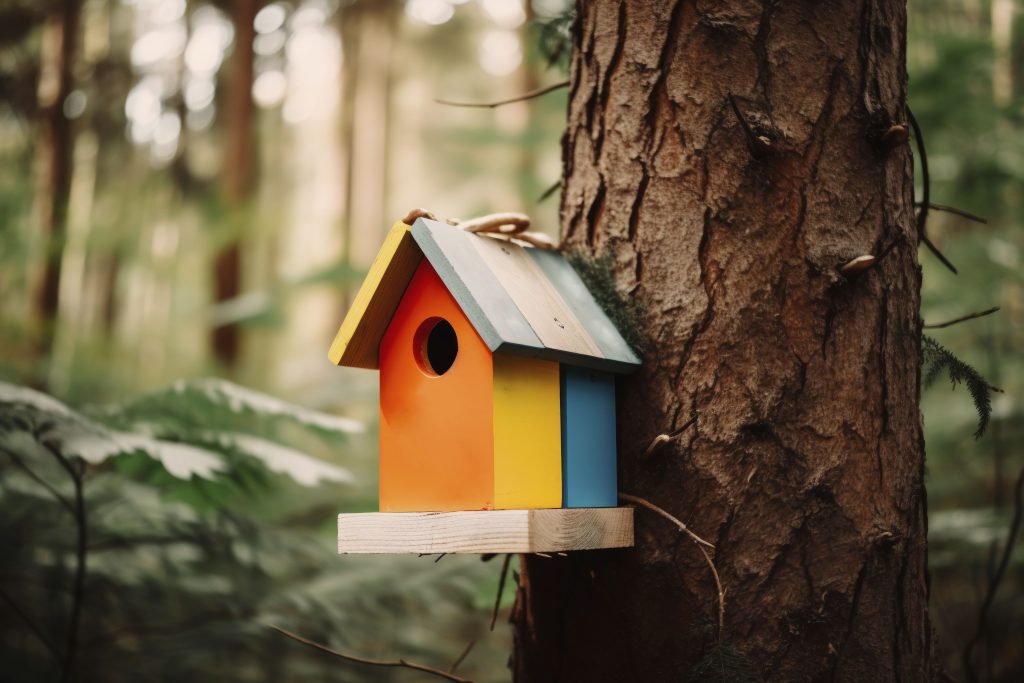
Even the best birdhouse won’t be attractive if it’s poorly placed. Consider these placement tips that will help you to choose the perfect place:
- Height: the ideal height depends on the species. For example. Bluebird house should be 4-6 feet off the ground, while chicksdeep prefers a height of 5-15 feet.
- Locations: place the birdhouse in quiet areas away from heavy foot traffic or noisy machines. Birds feel safer in less disturbed environments.
- Faching directions: many birds prefer their houses to face away from prevailing winds. A southeast-facing entrance is often entrance is ideal. As it provides morning sunlight
- Predator protections: mount birdhouses on meta; poles rather than trees to prevent predators like squirrels and raccoons from reaching them. You can also add predator guards around the pole or entrance.
5. Avoid Common Birdhouse Pitfalls
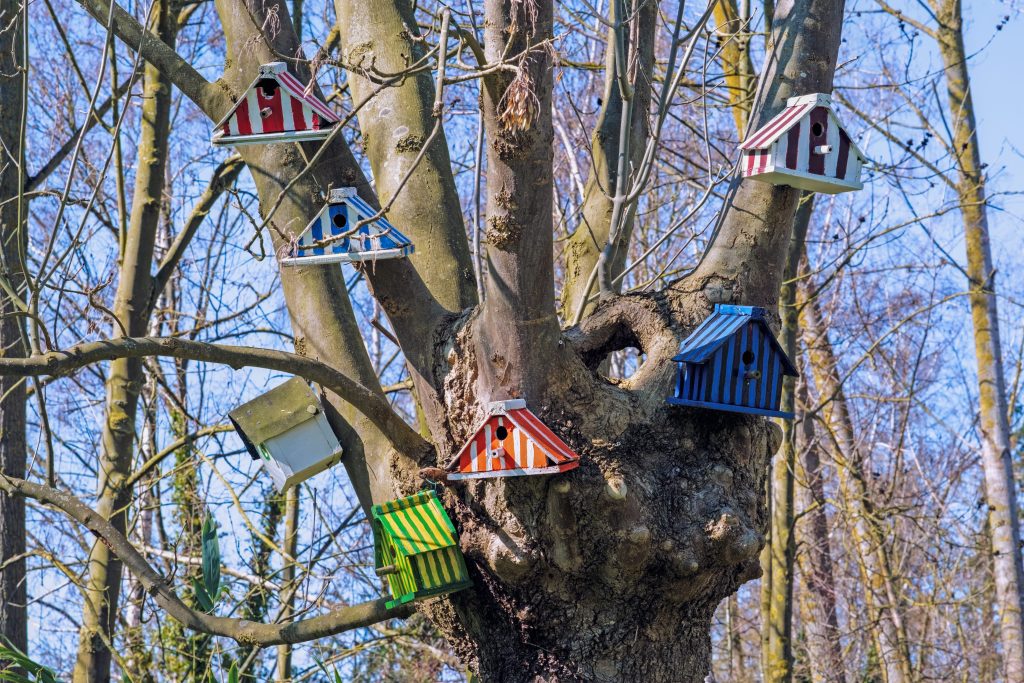
There are a few mistakes that can turn your birdhouse into a hazard rather than a haven;
- Perches: While perches may look charming, they’re unnecessary and can give predators easy access to the nest.
- Neglecting Maintenance: Regularly clean out the birdhouse after each nesting season to prevent mold, mites, and old nesting material from accumulating.
- Over-decoration: Keep the design simple. Elaborate decorations may attract predators or make the house less appealing to birds.
- Incorrect Dimensions: A house that’s too big or small for the intended species may go unused.
6. Attract Birds with the Right Environment
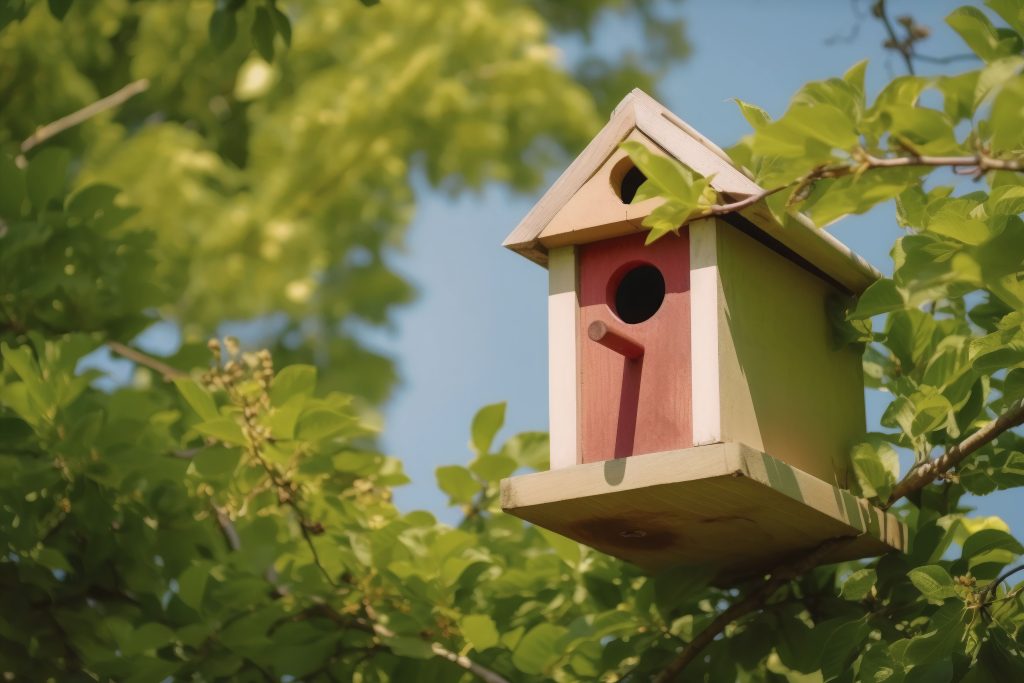
A birdhouse alone may not be enough to attract birds. Creating a birds-friendly environment in your backyard can make all the difference:
- Food: Provide bird feeders with seeds, suet, or nectar, depending on the birds in your area.
- Water: A birdbath or small water fountain can attract birds looking for a place to drink and bathe.
- Plants: Native plants provide natural food sources and shelter. Incorporate shrubs, trees, and flowering plants that produce berries, seeds, or nectar.
- Avoid Pesticides: Chemicals can harm birds and reduce their food supply by killing insects.
7. Build or Buy?
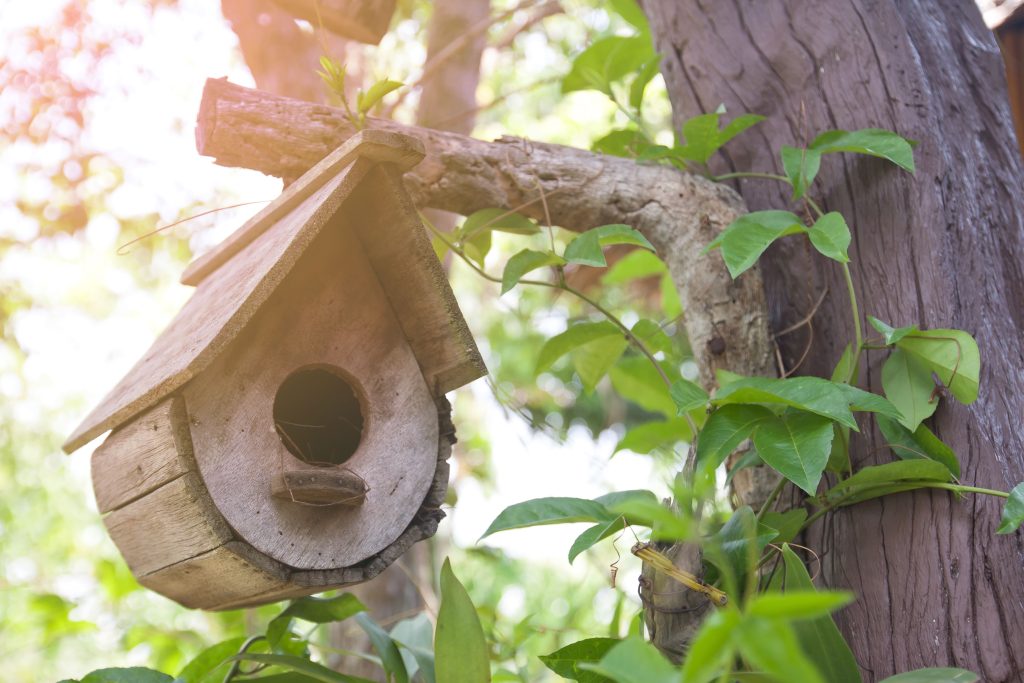
Deciding whether to build or buy a bird’s house depends on your time. Skill, and budget:
- Building a Birdhouse: crafting your birdhouse can be a fun and rewarding project. Use plans tailored to the birds you want to attract and ensure the materials are safe and durable.
- Buying a Birdhouse: There are countless ready-made birdhouses available online or at garden centers. Look for one designed specifically for your local bird species and check reviews for quality and functionality.
8. Seasonal Considerations
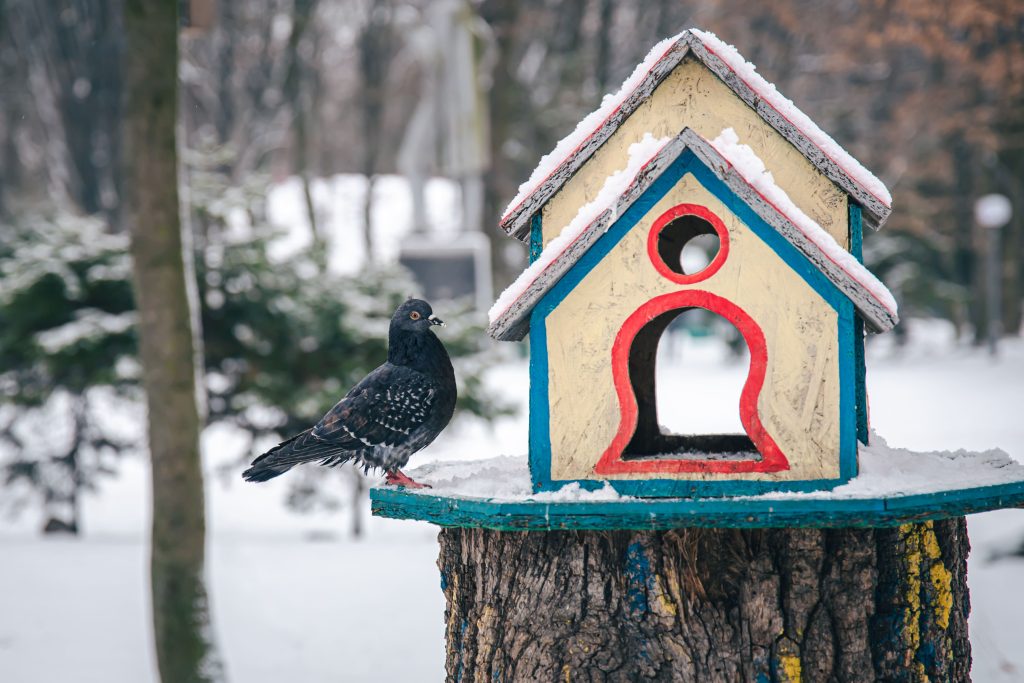
Bridshouse use varies by season, so plan accordingly:
- Spring and Summer: Most birds nest during these seasons, so have your birdhouse ready before spring arrives.
- Fall and Winter: some bird species use birdhouses for roosting during cold months. Adding extra insulation can make the house more appealing in winter.
Conclusion
Choosing the perfect birdhouse for your backyard birds requires a bit of research and planning, but the reward is well worth the effort. By providing a safe and welcoming space, you will enjoy the sights and sounds of happy, nesting birds. Whether you are a seasoned birdwatcher or a beginner, following our tips will help you create a bird-friendly haven that benefits both toy and feather visitors.