

Cats are notorious for their self-sufficiency, but when it’s come to your Cat nail trimming day, especially their nail care, they often need a helping hand. Trimming your cat’s nails at home it’ an exhausting task, especially if your furry friend squirms,. Hides or outright refuses to cooperate. However, with the right approach, some patience, and a gentle touch, it can become a stress-free routine for both of you.
In this blog post, we will walk you through everything you need to know about trimming your cat’s nails at home. From understanding your cat’s claws to mastering the trimming technique, and tips to make the experience smother.

Understanding Your Cat’s Claws
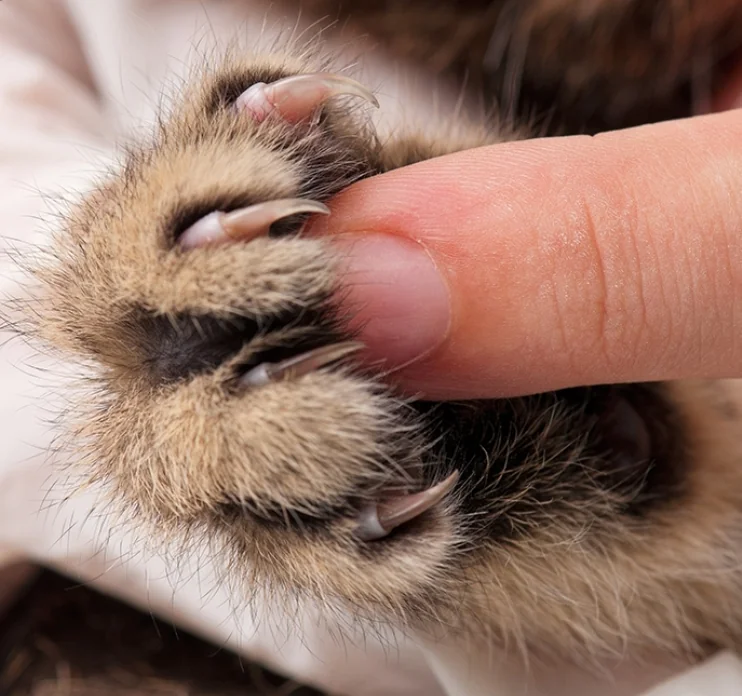
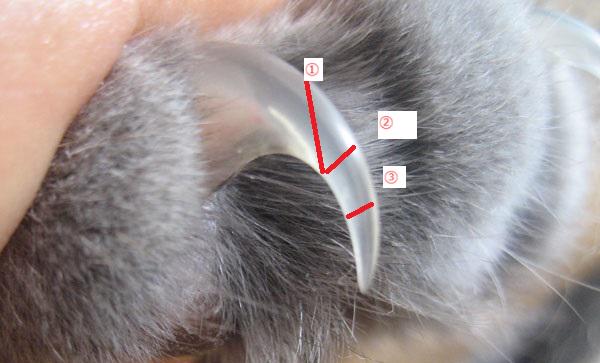
Before you start trimming, it’s important to understand the basic anatomy of cats’ nails. Cts have retractable claws, which can pull them in and out as needed. Each claw is curved, and blood vessels cutting into the quick can be painful and may cause bleeding.
Generally, cats have five claws, each front paw (including a dewsclaw on the side) and four on each back paw, while the font clwsa to grow faster and more likely to become problematic, it;s bets to hck all foru pwas regularly.
When Should You Trim Your Cat’s Nails?
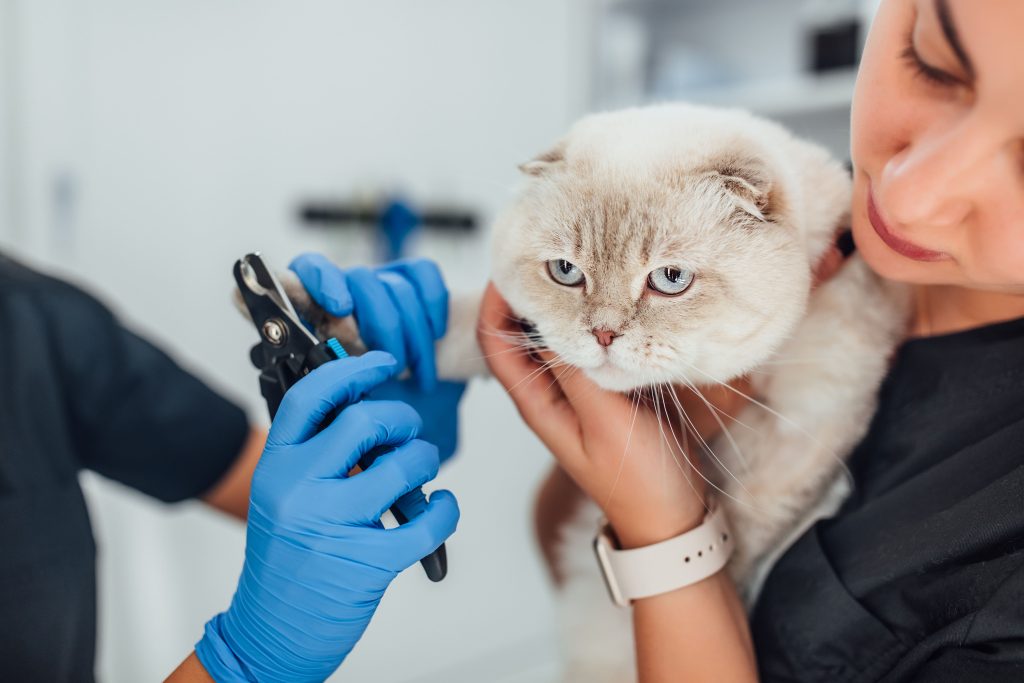
When you should trim your cat nails it’s nails depends on their lifestyle. Indoor cats usually require more frequent trimming than outdoor ones, as they don’t wear down their claws naturally.
On average, every 2 to 4 weeks works well for most cats. A good sign that it’s time for trume is when you hear your cat’s claws tapping on the floor or notice them getting caught in fecbris.
What You’ll Need to Start Cats Nails Trimming?
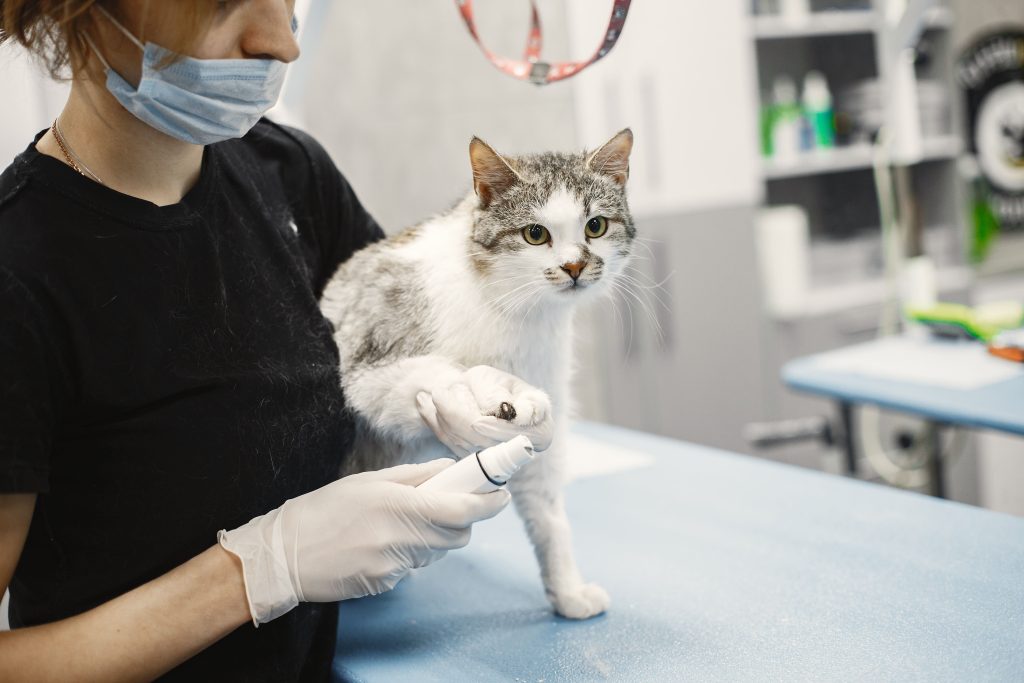
Gathering the right tools beforehand can make the entire process more efficient. Below, we will share some on hand:
- Cat nail clippers or human nail clippers (preferably ones designed for pets)
Styptic powder or cornstarch (in case you accidentally cut the quick) - A towel or blanket to gently restrain your cat
- Treats or toys for positive reinforcement
- A well-lit area to see the nails
Step-by-Step Guide to Trimming Your Cat’s Nails
Step 1: Choose the Right Time
When you feel you need to trim your cat’s nails then choose their calm or sleeping time. After a meal, for example, or during a relaxed grooming session, avoid stating when they are active, playing, or agitated.
Step 2: Get Your Cat Comfortable
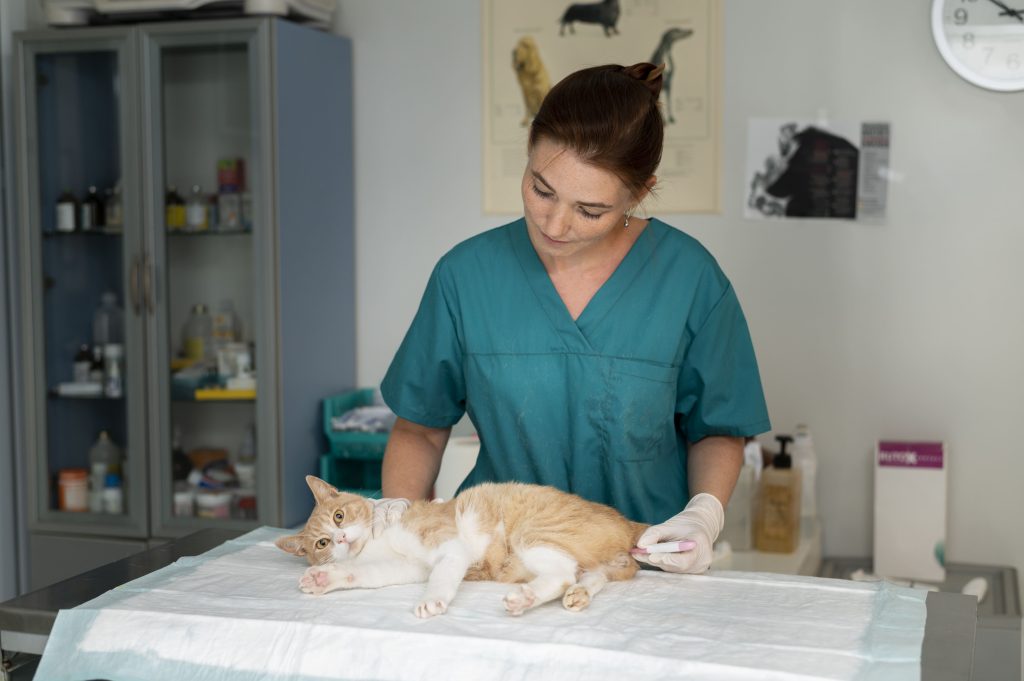
Sit with your cat in a quiet space, away from distractions, gently pet and talk to them in a soothing voice. If your cat resists being helped, you can wrap them loosely in a towel, leaving one paw exposes at a time. This kitty burrito method helps keep them secure without causing stress.
Step 3: Examine the Claw
Hold your cat’s paw gently and press lightly on the pad to extend the claw. Observe the nail to locate the quick, which is the pinkish area inside. You want to avoid cutting into this part. With white or light colored nails, the quick is easy to see. For darker nails, trim only the curved pointed tip.
Step 4: Trim the Nail
Using a sharp pair of clippers, snip off the tip of the nail in one quick motion. Try to avoid the quick and cut at a slight angle, following the natural curve of the claw. Only remove a small portion of the nail; it’s better to trim a little at a time than risk cutting too much.
Step 5: Praise and Reward
After successfully trimming your cat’s nails, try to offer him some treat for extra affection. This creates a positive association with the experience, making future trims easier. If your cat becomes distressed or restless, take a break and try again later. It’s okay to trim just one or two nails at a time.
Step 6: Repeat with Other Paws
Move on to the next paw when your cat is ready. Don’t rush the process; your patience can prevent injuries and help build trust.
What If You Accidentally Cut the Quick?
If you accedesnlu nick the quick, your cat may rect with a quick pull or meaq. It might bleed a little, but don’t panic. Apply septic powder or cornstarch quickly to the nail with gentle pressure. The bleeding should stop within a few minutes. Give a moment to calm down to your cat before continuing or postponing the trim to another time.
Tips to Make Nail Trimming Easier
If you accedesnlu nick the quick, your cat may rect with a quick pull or meaq. It might bleed a little, but don’t panic. Apply septic powder or cornstarch quickly to the nail with gentle pressure. The bleeding should stop within a few minutes. Give a moment to calm down to your cat before continuing or postponing the trim to another time.
When You Need Professional Help
Some cats simply won’t tolerate nails at home, no matter how patient or prepared you are. If trimming at home becomes too stressful or unsafe, it’s completely fine to let a groomer or vet handle it. Professional nail trims are quick and usually inexpensive.
Conclusion
Trimming your cat’s nails at home doesn’t have to be a dreaded chore. With the right tools and a genly apprpch, you can make it a manageable part of your pet care routine. Keeping your cat’s nails trimmed not only protects your furniture and skin, but more importantly, it contributes to your cat’s comfort and health.
The key to successful trimming is to start to slow, keep the experience posttave, and know when to take a break. Ove time, many cats become more tolerant of the process. Even though they never quite love it,. And remember, every cat is different, so go at your own pace and celebrate small wins along the way.