

Parakeets, also known as budgies, are lively and intelligent bird birds that bring joy to many households. For an irresponsible bird owner, one of the most important aspects of parakeet care is ensuring they receive proper nutrition. But when it comes to feeding your feathered friends, should you choose homemade parakeet food or go with store-bought options? Both choices have benefits and drawbacks; understanding them will help you make the best decision for your bird’s health and happiness.
Understanding Parakeet Nutritional Needs
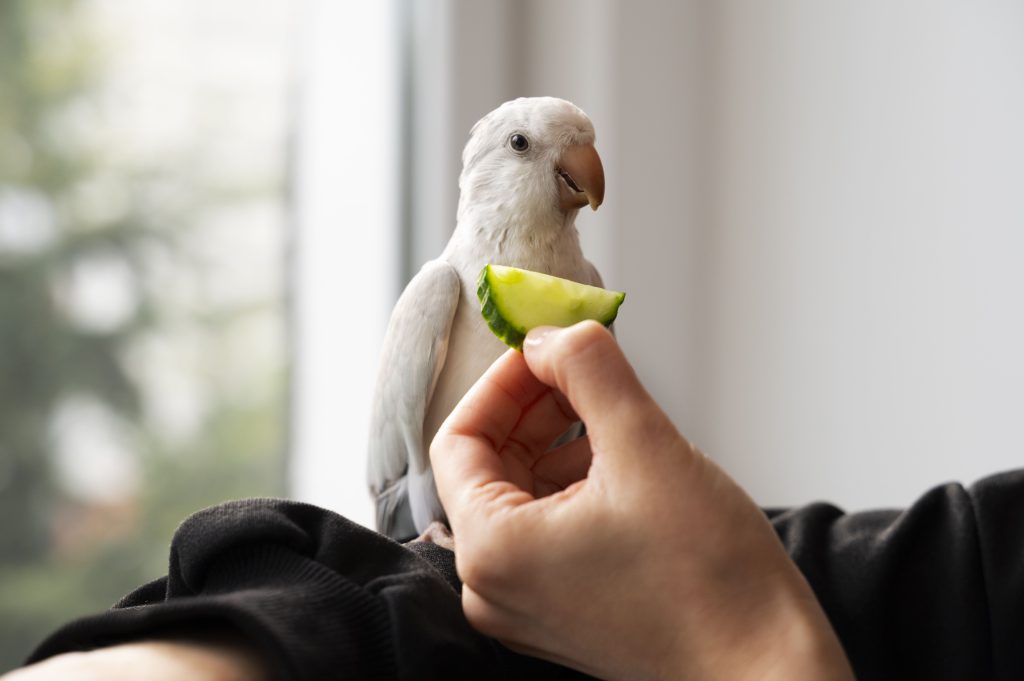
Before diving into the homemade vs store-bought debate, it’s essential to understand what constitutes a healthy parakeet diet. Parakeets require a balanced mix of:
- Seeds and Grains: their diet should include millets, oats, canary seeds, and flax seeds.
- Fresh Fruits and Vegetables: leafy greens, carrots, bell peppers, and apples provide essential vitamins and minerals
- Pellets: These are nutritionally balanced and contain essential vitamins that may be lacking in intake.
- Protein sources: cooked eggs, penguins, and mealworms can supplement their protein intake.
- Calcium and minerals: cuttlebones, mineral blocks, and eggshells help maintain bone health.
A well-rounded diets ensure that your parakeet stays active, maintains a healthy weight, and has vibrant plumage.
Homemade Parakeet Food: Pros and Cons
Making Parakeet food at home is an appealing option for many bird owners—especially those who prefer a natural diet without artificial additives.
Pros of Homemade Parakeet Food
- Control Over Ingredients: you know exactly what goes into your birds’ diet, avoiding preservatives, artificial colors, and unhealthy fillers.
- Customizations: you can tailor the diets to your parakeets’ specific needs, especially if they have allergies or preferences.
- 3. Freshness: homemade food is always fresh, reducing the risk of spoilage or contamination.
- Cost-Effective: buying ingredients in bulk and preparing food at home can be more economical in the long run.
- Encourage Natural Foraging: fresh food options can be scattered in different ways. Stimulating their instincts.
Cons of Homemade Parakeet Food
- Time-Consuming: Preparing homemade food requires research, effort, and consistency.
- Nutritional Imbalance Risk: Without proper knowledge, homemade diets may lack essential nutrients, leading to deficiencies.
- Shorter Shelf Life: Fresh food must be prepared regularly, unlike packaged options that last longer.
- Storage Challenges: Fresh ingredients need proper storage to prevent spoilage.
- Picky Eaters: Some parakeets may refuse homemade food if they are accustomed to store-bought mixes.
Store-bought Parakeet food: pros and cons

Commercially available parakeet food is formulated to meet Avian dietary needs, making it a convenient option for pet owners.
Pros of store-bought Parakeet food
- Balanced nutrition: Quality pellet mixes are designed to provide your pet with a complete nutrition package, and reduce the risk of deficiencies
- Convenience: Pre-packages food can save your time and effort, making feeding, it a convenient option for every pet owner.
- Longer Shelf Life: Store-bought food can be stored for months without losing nutrient value.
- Easier portion control: Packaging food often comes with feeding guidelines ensuring your birds get the right amount.
- Availability: easily accessible at pet stores and online, eliminating the need for frequent preparations.
Cons of Store-Bought Parakeet Food
- Potential for additive: some brands use artificial ingredients preservatives, colors, and filler that may not be ideal for your bird.
- Quality variations: not all brands provide high-quality ingredients some of them include excessive filler seed with little nutritional value.
- Less variety: many store-bought mixes heavily in seeds, which can lead to selective eating habits
- High cost for premium brands: While budget options exhaust, high-quality organic or pellet-based food can be expensive.
- Lack of freshness: Unline homemade meals. Packages of food may not be as fresh or appalling to birds accustomed to natural foods.
Which Option is Better?
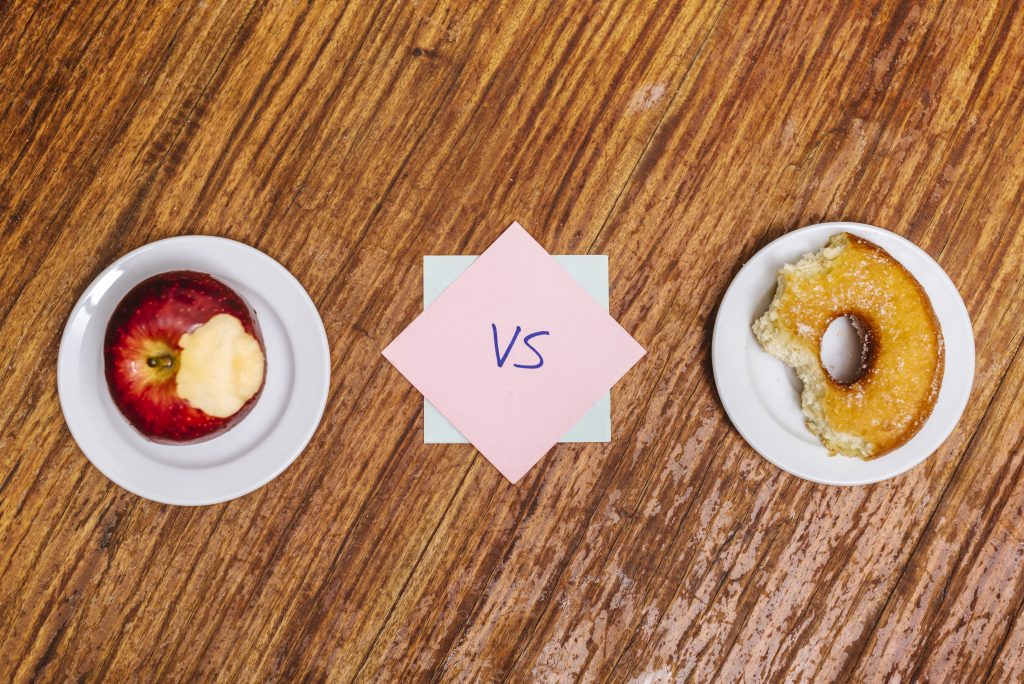
The choice between homemade and store-bought parakeet food depends on several factors, including your lifestyle, budget, and willingness to prepare food regularly. This means dedicating time each week to sourcing preparing, and storing ingredients to ensure your parakeets have fresh, nutritious meals. Additionally, incorporating variety into their diets through different food combinations can keep them engaged and excited about mealtime.
Best of Both Worlds: A Balanced Approach
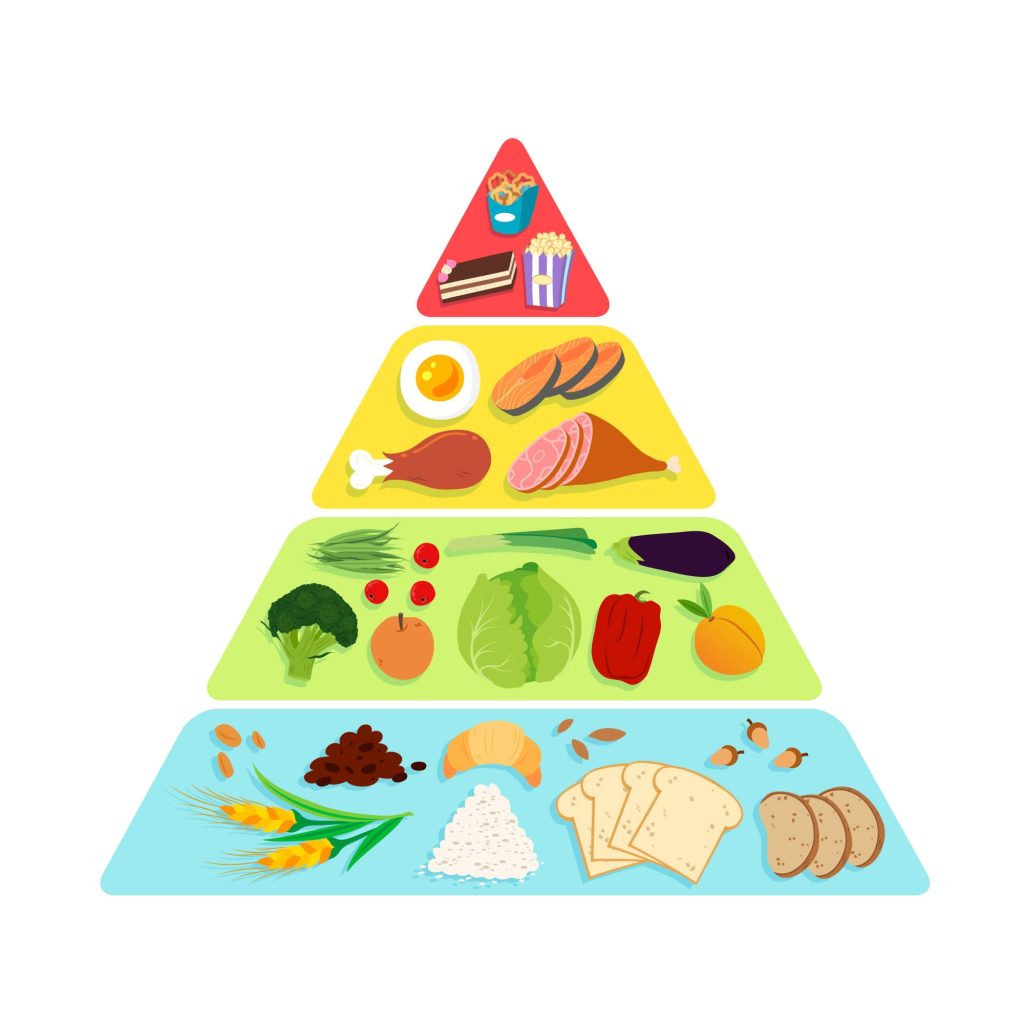
The combination of both homemade vs store-bought food is often the best solution: here is how can create a well-rounded diet for your parakeets:
- Use high-quality pellets and base: pallets ensure balanced nutrition and should make up about 50-60% of the diet.
- Supplements with fresh foods; offer vegetables, fruits, and occasionally protein sources to provide variety and additional nutrients.
- Include some seeds but in moderation: seeds only be about 10-15% of the diet to prevent variety and additions of nutrients.
- Monitor your bird’s body and health: some birds adapt better to certain diets. Observe their behavior and adjust accordingly.
- Avoid harmful foods: never feed avocado, chocolate, caffeine, onions, garlic, or highly processed human food
Final Thoughts
Both homemade and store-bought parakeet food have their advantage and disadvantages. The key is to provide a naturally blanched diet that meets your birds. Needs while being practical for your life, if you have the time and knowledge, incorporating fresh homemade options can enhance your parakeet’s well-being. However, high-quality commercial food is a reliable and convenient choice that ensures your birds get the necessary nutrients. Ultimately, the best approach is a combination of both, by blending homemade meals with high-quality store-bought options, you can give your parakeet a diverse and nutritious diets that keep them happy, healthy, and full of energy.
FAQ
- Can I feed my parakeet only homemade food?
Ans: Yes, but it requires careful planning to ensure balanced diets, supplementing with high-quality pellets can help prevent nutritional deficiencies.
- How often should I change my parakeet’s diet?
Ans: introduce new foods gradually and monitor their response, sudden diet changes can cause digestive issues.
- What are the best fresh foods for parakeets?
Ans: lefty greens, carrots, bell peppers, apples, and cooked eggs are clients’ choices.
- Are store-bought pellets better than seed mixes?
Ans: Pllets are generally more balanced than seed mixes, which often lead to severe eating and urinal imbalances.
- How do I transition my parakeet from store-bought to homemade food?
Ans: Start by mixing small amounts of homemade food with their regular diets and gradually increase the portions over time.