

If you are a cat parent, then you must know how much your furry friend depends on you for love, comfort, and most importantly, food. In this case right diet plays a big role in keeping your cat healthy, active, and happy. However, with numerous options available on the market, choosing the right one can be overwhelming. Some pet foods are packed with fillers, while others may not meet your cat’s unique needs. That’s why more and more pet owners are turning to healthy cat food recipes for a balanced diet they can prepare at home.
In this blog, I will share a comprehensive guide on the essentials of a balanced feline diet, why homemade cat food can be a good option, and a few somp. Recipes you can try today.
Why a Balanced Diet Matters for Cats
Cats are obligate carnivores; their diet is designed to thrive on protein and certain nutrients found in animal sources. Unlike dogs. Who can eat a wider range of foods? Cats have very specific dietary needs. A balanced diet ensures:
- Healthy muscles and energy from high-quality proteins.
- Strong bones and teeth from essential minerals.
- Shiny coats and healthy skin from omega-3 and omega-6 fatty acids.
- Better digestion with the right mix of protein and limited carbs.
- Long-term health by reducing risks of obesity, diabetes, and urinary tract problems.
When your furry friend isn’t eating the right food, you will notice the differences: dull fur, low energy, frequent vomiting, or even behavioral changes. That’s why choosing the right meals or preparing them at home can make such a huge difference.
Homemade vs Store-Bought Cat Food
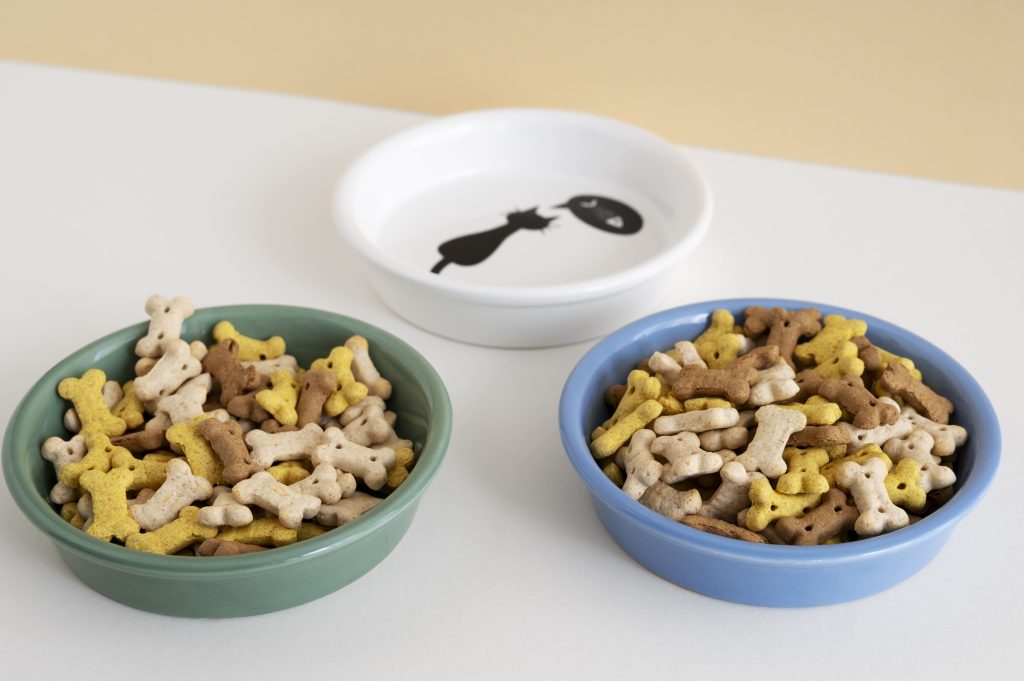
Pet owners often struggle with the choice between packaged cat food and homemade meals. Store-bought options are convenient and usually meet basic nutrition standards; however, cheaper brands may include fillers like corn, soy, and artificial additives that do’ add much value.
Homemade meals, on the other hand, allow full control over ingredients; you can choose lean meats, fresh oils, and natural supplements. The changes are ensuring the recipe covers all nutritional needs, such as taurine, calcium, and the right balance of protein and fat. That’s why it’s wise to follow tested recipes and speak with a vet before making homemade food the main diet.
Core Ingredients in Healthy Cat Food
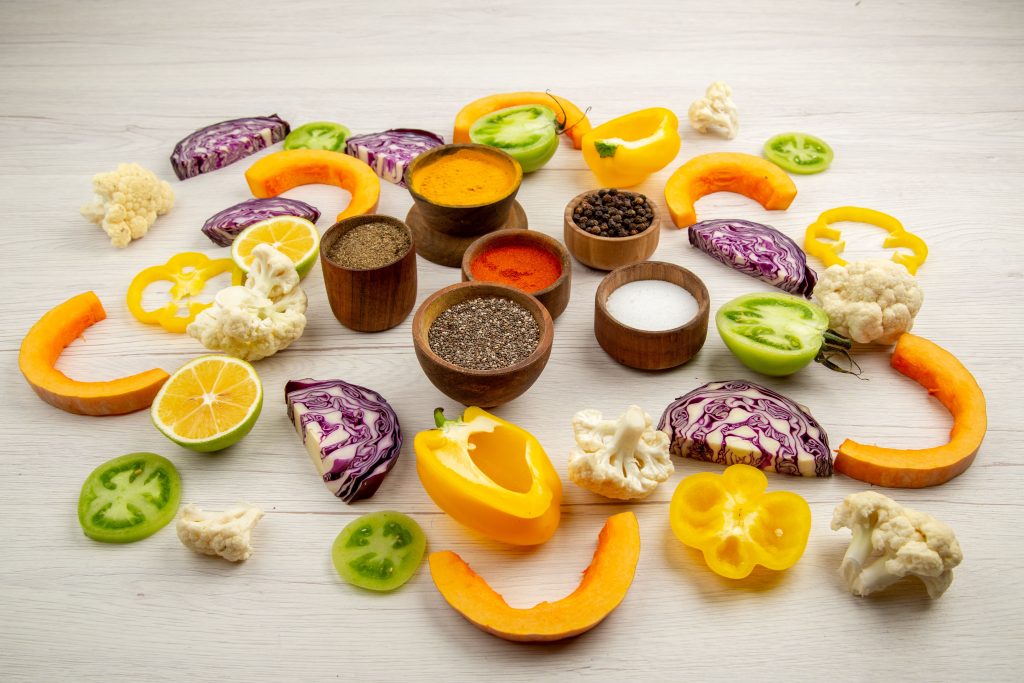
When preparing recipes at home, focus on a few essentials:
- Fresh animal protein such as chicken, turkey, or salmon
- Healthy fats like salmon oil or flaxseed oil
- Taurine, an amino acid critical for heart and eye health
- Calcium and phosphorus for bones and teeth
- Moisture, since cats naturally get water from food in the wild
Carbohydrates should be minimal. Cats do need grains and often digest them poorly. A small amount of vegetables, like pumpkin or spinach, can be useful, but meat should always be the star of the plate.
Easy Cat Food Recipes You Can Try
Below, I’m sharing three simple and safe recipes you can prepare in your kitchen. Avoid adding salt, specks, or onions, as these are harmful to cats.
Chicken and Rice Bowl
- 1 cup cooked chicken breast, shredded
- 1/4 cup plain white rice, cooked
- A spoon of unsalted chicken broth
- A few drops of fish oil
Mix all ingredients well. This meal is light and suitable for cats with sensitive digestive systems.
Salmon and Spinach Mix
- Half a cup of baked or steamed salmon, boneless
- A tablespoon of finely chopped spinach
- A teaspoon of olive oil
- A small pinch of taurine supplement (ask your vet for the exact dosage)
This recipe is rich in omega-3 fatty acids, which are great for skin, coat, and joint health.
Turkey and Pumpkin Meal
- Half a cup of ground turkey, fully cooked
- Two tablespoons of plain pumpkin puree
- A teaspoon of flaxseed oil
- A small calcium supplement
This option is excellent for cats who struggle with constipation or mild digestive problems.
Signs your cat's eating a healthy Diet
It’s not always easy to tell if your cat’s food is truly working for them. Watch for these positive signs.
- A shiny, soft coat with little shedding
- Steady energy levels throughout the day
- Healthy weight without sudden gain or loss
- Bright, clear eyes and clean ears
- Regular digestion with minimal vomiting or loose stools
If your cat shows these signs, you are likely on the right track with their meals. If not, it may be time to adjust their food or consult a vet.
When Store-Bought Food is a Better Choice
Homemade cat food is rewarding but not always practical. If you have a busy lifestyle or want a guaranteed nutritionally balanced, premium commercial cat food can still be an excellent option. Look for rbands that use real meat as the main ingredients, avoid unnecessary fillers, and met AAFACO’s complete and balanced standards.
Conclusions
Healthy cat food recipes for a balanced diet can give your cat fresh, wholesome meals that support long-term health. Even preparing just one or two meals a week at home can improve your pets’ nutrition and happiness. The key is to balance plenty of quality protein with the right fats, essential vitamins, and enough moisture.
Cats may be picky eaters, but when they are served meals made from fresh, natural ingredients, you will notice the difference in their coat, energy, and overall well-being. Whether you feed your cats homemade food, store-bought, or a mix of both, what matters most is giving your cats meals that keep them thriving.
FAQs
Can cats eat homemade food every day?
Yes, but only if the recipes are balanced and approved by a vet.
Is rice safe for cats?
Small amounts are fine, especially for cats with sensitive stomachs.
Do cats need vegetables?
Not strictly, but a small amount of pumpkin or spinach can support digestion.
How often should I feed homemade food?
It depends on your cat’s needs. Some owners mix homemade meals with quality dry or wet food.
Is raw feeding safe?
Raw diets are debated because of bacteria risks. Cooked meat is usually safer unless advised otherwise by a vet.