



You pet linen your child and choose high-quality organic food to make a big difference in their health and longevity. Organic pet food is free of synthetic pesticides, artificial preservatives, and hormones, making it a better choice for your pets and the environment. This blog will guide you to choose the top 10 organic pet food options that give your pet a nutrition and wholesome diet. So, without wasting your time, let’s begin.

Here are the 10 common pet health issues in Puppies and Kittens

1. Parasites

This is one of the most prevalent health issues in puppies and kittens. Parasite infestations can be internal (worms) or external (ticks, fleas, and mites).

  • Symptoms: Diarrhea, bloated abdomen, itching, hair loss, or visible worms in stool.
  • Prevention and Treatment: To avoid it, regular deworming, flea and tick prevention, and maintaining a clean living environment are key. Consult your vet for appropriate treatment based on your pet’s age and size.

2. Diarrhea and Gastrointestinal Issues

Puppies and kittens have sensitive stomachs and are prone to diarrhea caused by diet changes, infections, or parasites.


  • Symptoms: Loose stools, dehydration, lack of appetite, and lethargy.
  • Prevention and Treatment: To avoid this kind of pet health issue, feed your pet a balanced diet suitable for their age. If diarrhea persists for over a day or is accompanied by vomiting, consult your vet immediately.

3. Respiratory Infections

Upper respiratory infections (URIs) are common, especially in kittens from shelters or crowded environments.

  • Symptoms: Coughing, sneezing, nasal discharge, watery eyes and reduced appetite 
  • Prevention and Treatment: Vaccinations ( such as for feline herpesvirus and calicivirus) can prevent many URLs. If your pet shows symptoms, ensure it stays hydrated and seeks veterinary care for severe cases.

4. Skin Issues

A common issue is that skin rashes, infections, or allergies are frequent in puppies and kittens due to their delicate skin and irritant exposure

  • Symptoms: Redness, scabs, itching, or flaky skin.
  • .Prevention and Treatment:  To reduce this kind of issue use pet-safe grooming products and inspect their skin regularly Allergies and infections may require specific treatment like medicated shampoos or antibiotics 

5. Ear Infections

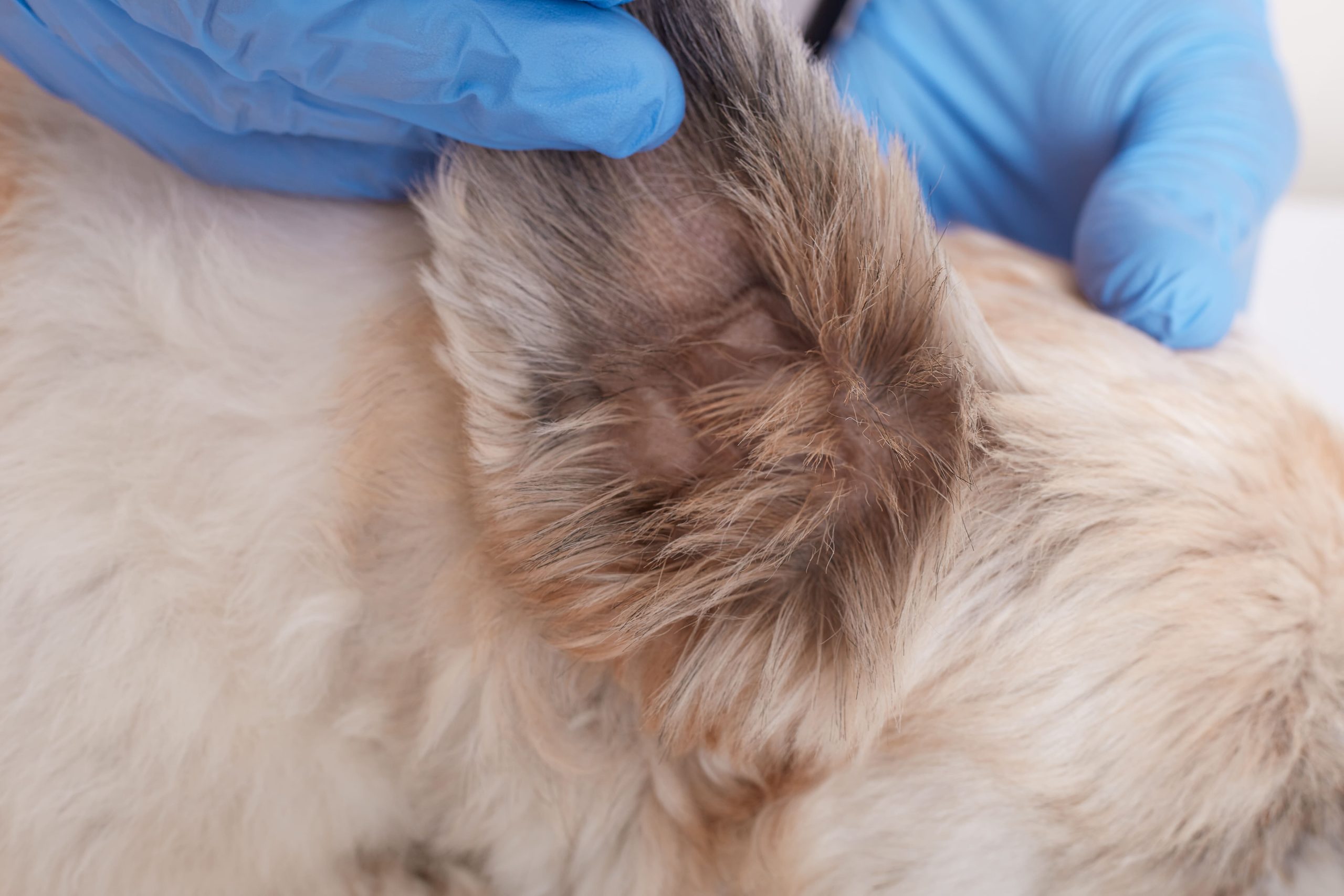
Ear infections are a common issue in the floppy-eared breed of puppies but can affect all pets 

  • Symptoms: continuous head shaking, scratching at ears, foul odor, or discharge from the ears.
  • Prevention and Treatment: Clean your pet’s ears regularly by using vet-approved solutions. Avoid getting water in their ears during baths, and consult a vet if symptoms persist.

6. Dental Problems

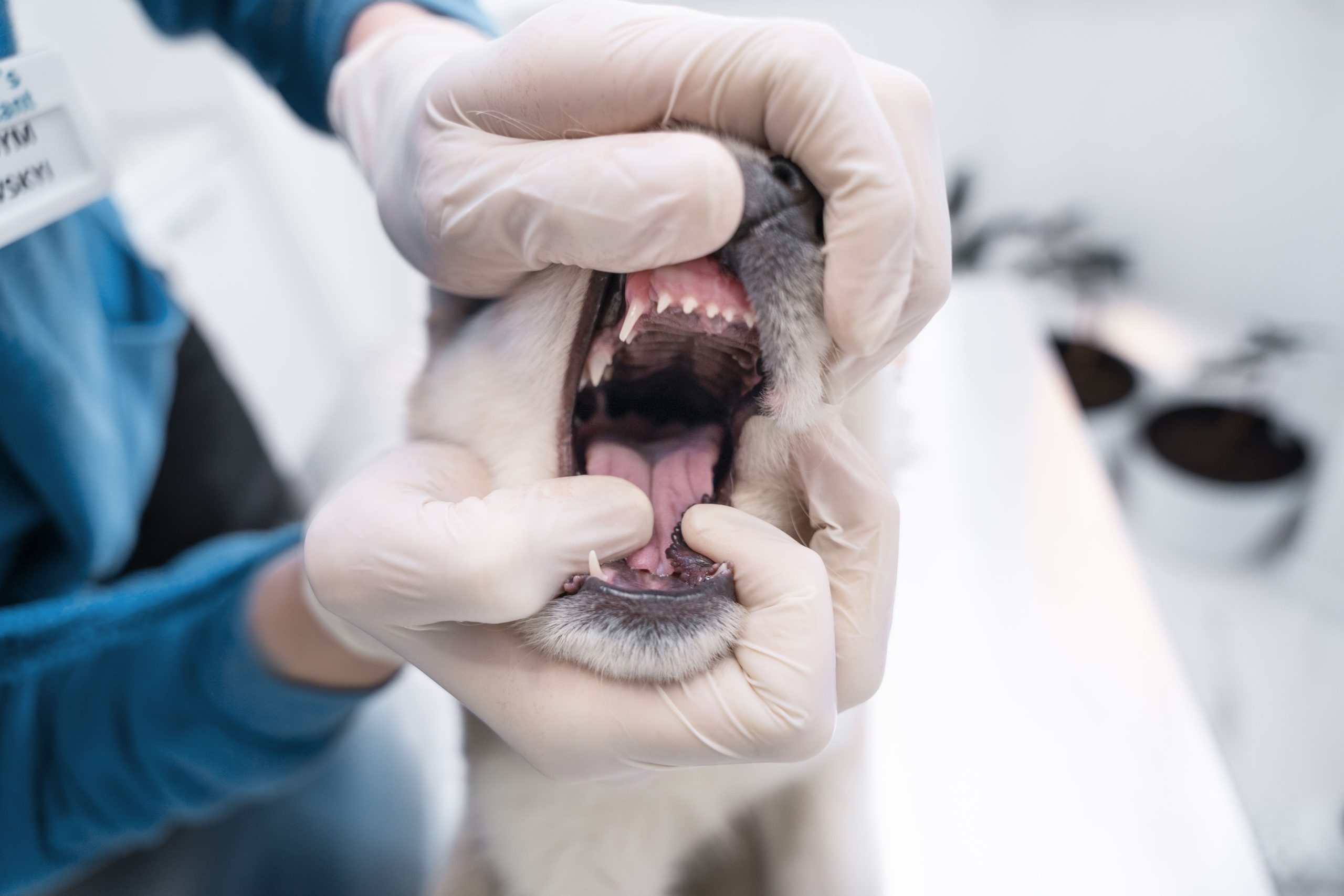
Dental problems are often overlooked in young pets but issues like teething discomfort or early-stage gum disease can arise.


  • Symptoms: Swollen gums, bad breath,  difficulty chewing, or excessive drooling.
  • Prevention and Treatment: Provide chew toys for teething puppies and kittens. if you find any symptoms of that then start dental care early by using brushing your teeth with pet-safe toothpaste and visiting the vet for regular dental check-ups.

7. Vaccination-Preventable Illnesses

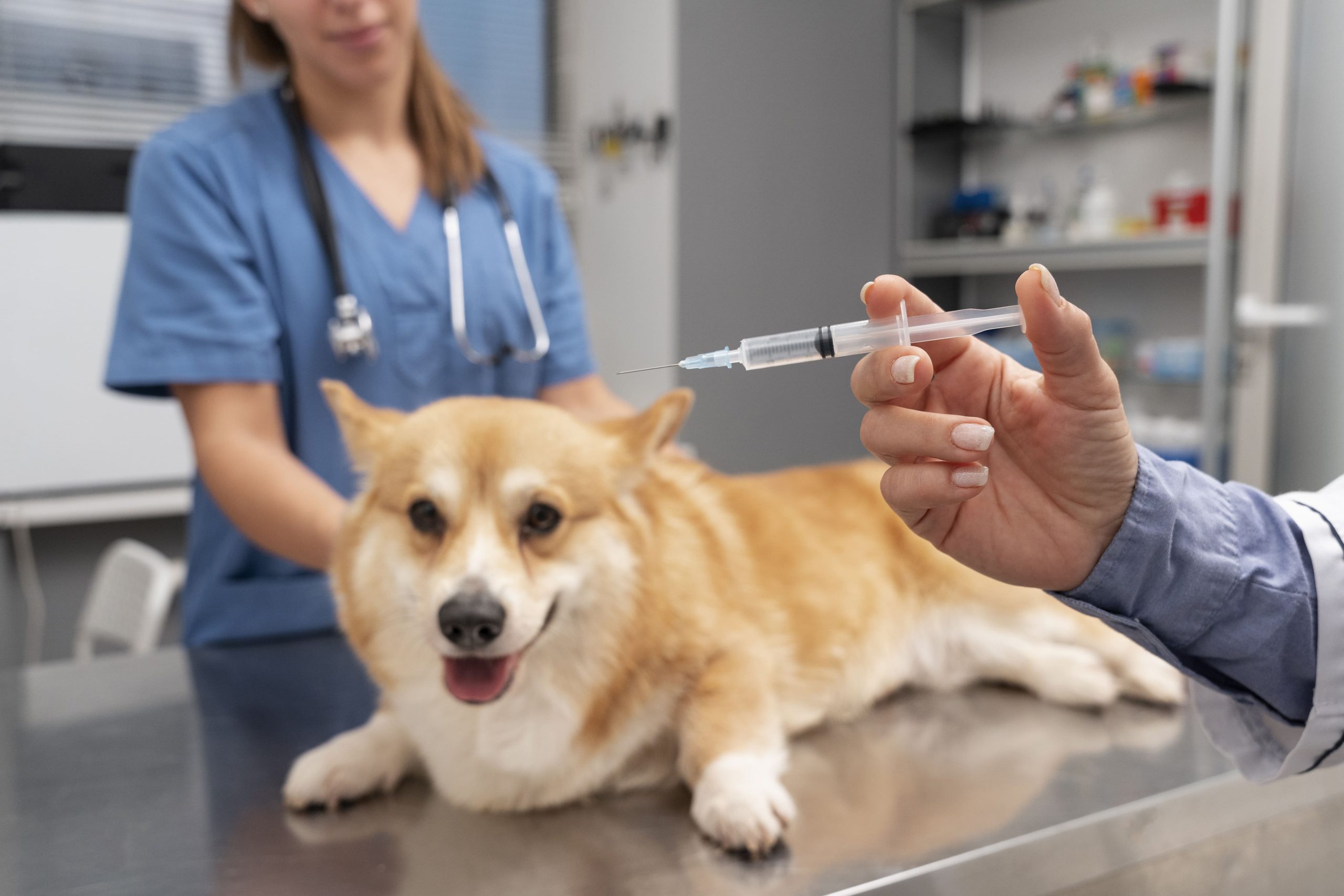
Diseases like parvovirus in puppies and panleukopenia  in kittens are preventable with vaccinations but can be fatal if contracted 

  • Symptoms: Vomiting, diarrhea, fever, and lethargy.
  • Prevention: First take your pet veet and follow their recommendations vaccination schedules. Early vaccinations are curial to protect you form these deadly diseases.

8. Nutritional Deficiencies

Growing puppies and kittens need specific nutrients for healthy development, inadequate diets can lead to defiance, stunted growth, or other health problems.

  • Symptoms: Poor coat quality, lethargy, slow growth, or visible bone deformities.
  • Prevention and Treatment:  you have to feed your pet high-quality feeds, and appropriate food recommendations by your vet. And you can avoid giving him table scraps, which may not provide the nutrients your pet needs.

9. Congetntial defats

Some puppies and kittens are barons with genetic conditions that may affect their hearts, joints, or other organs.

  • Symptoms: Persistent limping, difficulty breathing, or failure to thrive.
  • Prevention and Treatment: To avoid that regular check-ups can help detect congenital issues early. depending  on the conditions , treatment options may include surgery medications, or supportive care.

10. Behavioral and Stress-Related Issues

Young pets are easily affected by stress, which can manifest as health problems or destructive behaviors.

  • Symptoms:  Excessive barking, hiding, refusal to eat, or gastrointestinal distress.
  • Prevention and Treatment: Provide a calm, consistent environment and socialize them properly. Behavioral issues often improve with training and patience.

Tips for Keeping Your Puppy or Kitten Healthy

Young pets are easily affected by stress, which can manifest as health problems or destructive behaviors.

  • Symptoms:  Excessive barking, hiding, refusal to eat, or gastrointestinal distress.
  • Prevention and Treatment: Provide a calm, consistent environment and socialize them properly. Behavioral issues often improve with training and patience.

When to See a Vet

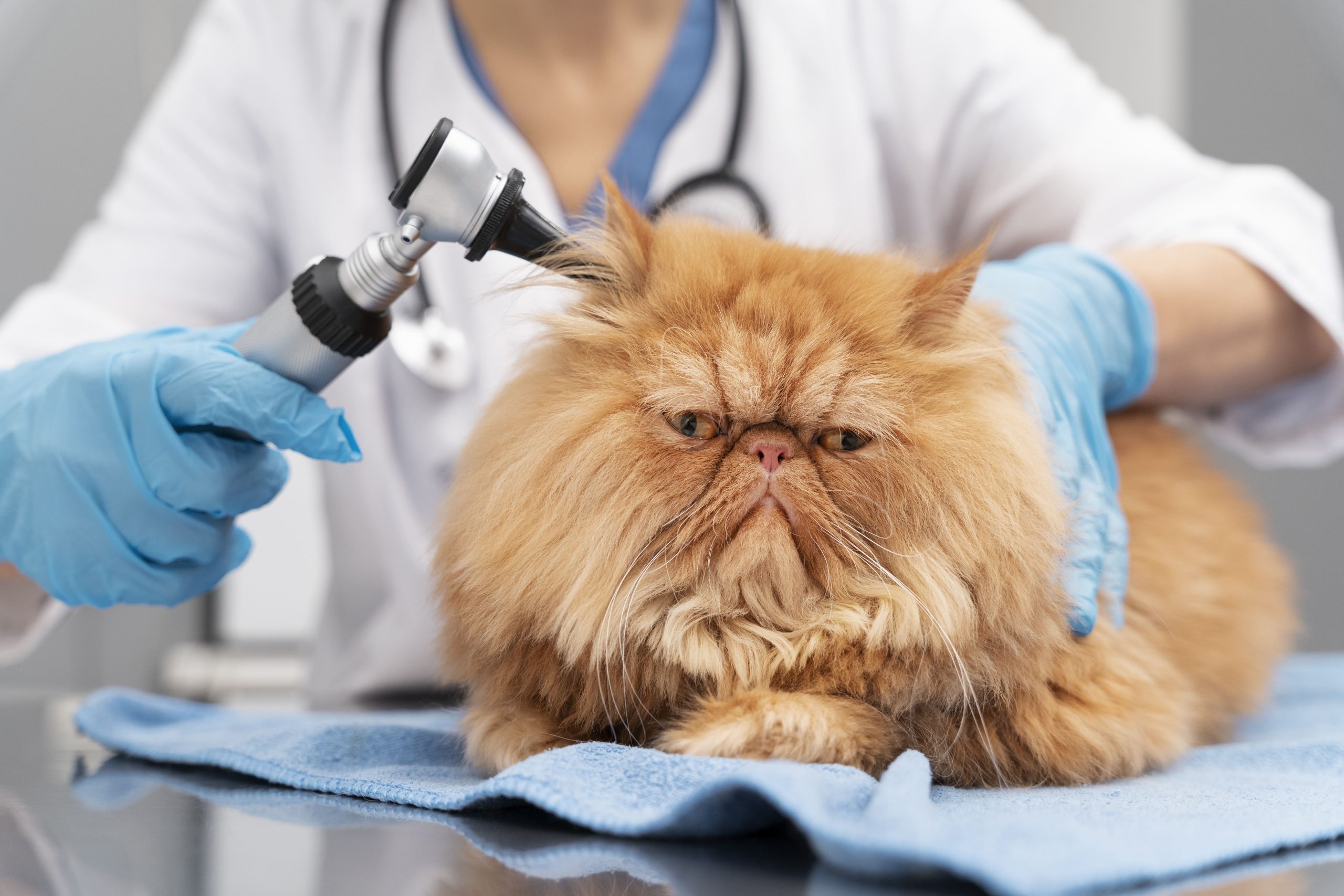
While many health issues can be managed at home, it’s crucial to recognize when professional help is needed. If your puppy or kitten shows severe symptoms like persistent vomiting, difficulty breathing, or extreme lethargy, don’t wait—seek immediate veterinary care.

Conclusion

Caring for a puppy or kitten involves more than just cuddles and playtime; it requires vigilance and proactive health management. By understanding the common health issues that can affect young pets, you’ll be better equipped to address them quickly and effectively. Remember, a healthy pet is a happy pet—and your love and care make all the difference.

Taking these steps will help ensure your furry companion grows into a thriving adult, bringing you years of joy and companionship.

FAQs About Common Pet Health Issues in Puppies and Kittens

1. How often should I take my puppy or kitten to the vet?

During the first year, you should visit the vet frequently—typically every 3–4 weeks for vaccinations, deworming, and health checks. After their vaccinations are complete, annual check-ups are usually sufficient unless issues arise.

2. How can I tell if my puppy or kitten is sick?

Common signs of illness include lethargy, loss of appetite, diarrhea, vomiting, coughing, sneezing, or changes in behavior. Always monitor your pet closely, and consult a vet if these symptoms persist or worsen.

3. Can I prevent my pet from getting parasites?

Yes! Regular deworming, flea and tick preventatives, and keeping their environment clean are essential steps to protect your pet from parasites. Your vet can recommend appropriate products based on their age and lifestyle.

4. When should I start vaccinating my puppy or kitten?

Vaccinations usually begin around 6–8 weeks of age and are given in a series over several months. Your vet will provide a schedule based on your pet’s specific needs.

5. What should I do if my puppy or kitten has diarrhea?

Mild diarrhea can often be resolved by feeding a bland diet (like boiled chicken and rice for dogs or plain, unseasoned chicken for cats). However, if the diarrhea persists for more than a day, is accompanied by vomiting or lethargy, or contains blood, visit your vet immediately.