

Our pets are wonderful and memorable things in life, and traveling with pets can be one of the most rewarding experiences. However, without proper planning, it can also harm your pets By the best pet safety tips you can make their and comfort on the journey. Whether you are heading out on a weekend gateway or a cross-country road trip, taking precautions can help your pet stay calm and secure. In this blog, we will share some essential pet safety tips for traveling, and try to cover from pre-travel prep to in-transit care.
1. Plan and Choose Pet-Friendly Destinations
When you are deciding on your travel plans. Select the kind of place that is pet-friendly. Look for accommodations that welcome pets and check if the surrounding areas have pet-friendly parks, residential spots, and restaurants. Most cities and locations are more accommodating to pets, making your stay smoother and less stressful. Many hotel and rental properties offer special amenities for pets including designated pet areas, treats, or even beds.
Pets safety tips: if you go on a trip by airplane then check the arline’s pet policies in advance. Some airlines have strict guidelines on the types and sizes of animals allowed on board and certain routes may require some additional paperwork
2. Schedule a vet Check-Up Before Trip
Before traveling, visit the vet for a check-up, especially if you are planning an extended trip. Also, ensure your pet’s vaccinations are up-to-date and ask for a copy of their health record in case an emergency arises during your journey. Some destinations and airlines require a health certificate issued within 10 days of travel
If your pet has any health issues, like anxiety or motion sickness, then discuss these with your vet as well and ask for their suggestions. They might prescribe medicine or recommend specific treatments to keep your pet comfortable and calm.
Pets safety tips: Microchip your pet or ensure their ID tags are correct and include a mobile number so you can easily reach your pet in any case they are lost.
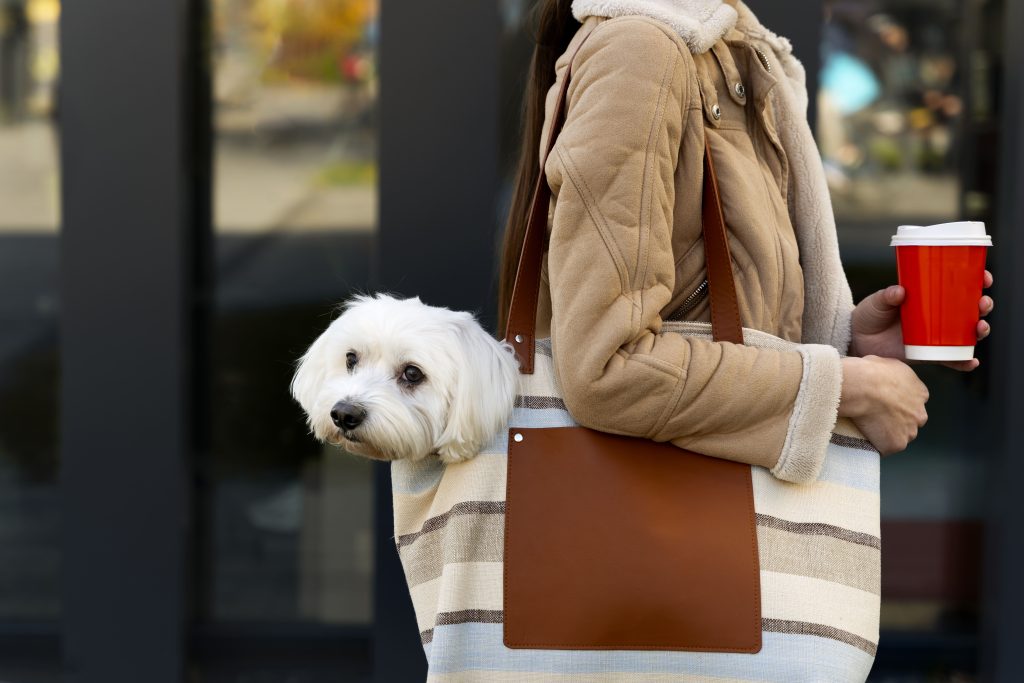
3. Invest in a Proper Carrier or Restraint
A quality carrier or restraint system is essential for safe travel. If you are traveling in a car pets should be secured in a pet’s harness, a crash-tested crate, or a designated pet car seat. loose pets can be dangerous in a moving vehicle, as they might become projectiles suddenly or distract the driver
If you traveling in an airplane then ensure your pet’s carrier complies with airline regulations. For small pets that can fly in the cabin. Check their carrier fits under the seat. For larger pets that need to fly in cargo research airline policies and invest in a well-ventilated sturdy crate
Pet safety tips: Place a familiar blanket or toy inside the carrier to create a comfort zone for your pets. That will help to stay calm down your pet
4. Pack a Pet Travel Kit
Just as you would pack a bag, prepare a travel kit for your pet. Here is the list of some essential things that you should include in your packing
- Food and water: Bring enough water during the traveling, plus a little extra in case of delays pack collapsible bows for easy feeding and hydration on to go.
- Leash and Harness: always carry a sturdy leash and harness for an outdoor break and walks
- Comfort Items: Take some of their Favorite blankets, or even a piece of clothing with your scents to help reduce anxiety.
- Waste Bags: Essential for Bathroom breaks, especially if you are stopping at the public places or rest areas
- Medication: if you have any prescribed medication then take it carefully plus take some basic first aid items like gauze and antiseptic wipes.
Pet safety tips: try to maintain your pet’s regular food brands and routine to avoid stomach issues
5. Prepare for Bathroom Breaks and Exercise
Regular breaks are crucial during traveling with pets. if you are traveling by car then take a break every 2-3 hours to allow to pest to stretch relieve themself and help to get some fresh air.
During the travel you will get so many rest areas and pask that are designated pet areas, making it easier to take a break without disturbing your pets.
If you have Cats, then consider a small, portable smaller box or puppy training pads. Or if you have dogs then taking a short walk on a leash can help relieve pent-up energy and anxiety. Also, your pets are accustomed to a particular potty schedule, try to stick to it as much as possible,
Pet safety tips: Try to keep your pet on a leash at all times during breaks as the new environment can be unpredictable and overwhelming
6. Keep Your Pet Comfortable and Calm
Traveling becomes stressful for pets especially if they aren’t used to being on the road or in a new environment. To help them reduce their anxiety, for maintain their calm and reassuring tone.
Bringing a familiar item, like their favorite toy or blanket can also help them feel at ease. Also try to avoid feeding your pet a large meal right before departure, as this can cause stomach upset in slime animals. instead feed a smaller meal and allow time for digestion.
Pet safety tips: during the tips provide them with small amounts of water regularly to keep them hydrated without overwhelming their stomach
7. Keep your Pet's head Inside the Vehcile
While many pets love the feeling of striking their heads out the window, this can be dangerous. Insects, debris, or even tree branches can injure them, additionally. the strong wind can cause eye or ear issues, particularly for dogs. Keeping windows closed or slightly cracked while ensuring your pet is safely restrained can prevent these risks.
Pet safety tips: try to use car shades or window covering to shield your pet from excessive sunlight, especially during hot days.
8. Avoid Leaving Your Pet Alone in the Car
Leaving your pet in the car be life-threatening even in mild weather. Because the car can heat up quickly, leading to heatstosk, dehydrations, even sath. Cold temperatures can also be harmful, especially for smaller short-haired pets. If you need to stop where pets are not allowed, bring a friend along who can wait with your pet, or choose pet-friendly places whenever possible
Pet safety tips: there are many places like shopping centers and rest stops that have pet parking areas or designated spots where pets wait safely if supervised.
Conclusion
Traveling with a friend can be a fun bonding experience if you take the time to prepare and ensure their safety. During the trips with little planning and attention to your pet’s needs you can make a smooth journey with new advancer together.
Remember, your pet’s well-being and comfort come first, and with these safety tips. You are ready to hit the road with peace of mind. Enjoy the journey and the memories you’ll create with your furry travel companion!’