

You are not alone if you are a pet owner and your furry friend has packed on a few extra pounds. Just like humans, pets can struggle with weight gain. And just like us, it can sink over time. A few extra traits here, a couple of missed walks there, and suddenly, your once-active pet is carrying around a little too much fluff.
But while chubby pets might look cute, the extra weight can lead to serious health issues, including diabetes, arthritis, heat disease, and a shorter lifespan. The good news? With the right approach, you can help your pet reduce this extra weight.
So, let’s talk about a solid pet diet plan for weight loss and how you can help your overweight pet get back in shape.
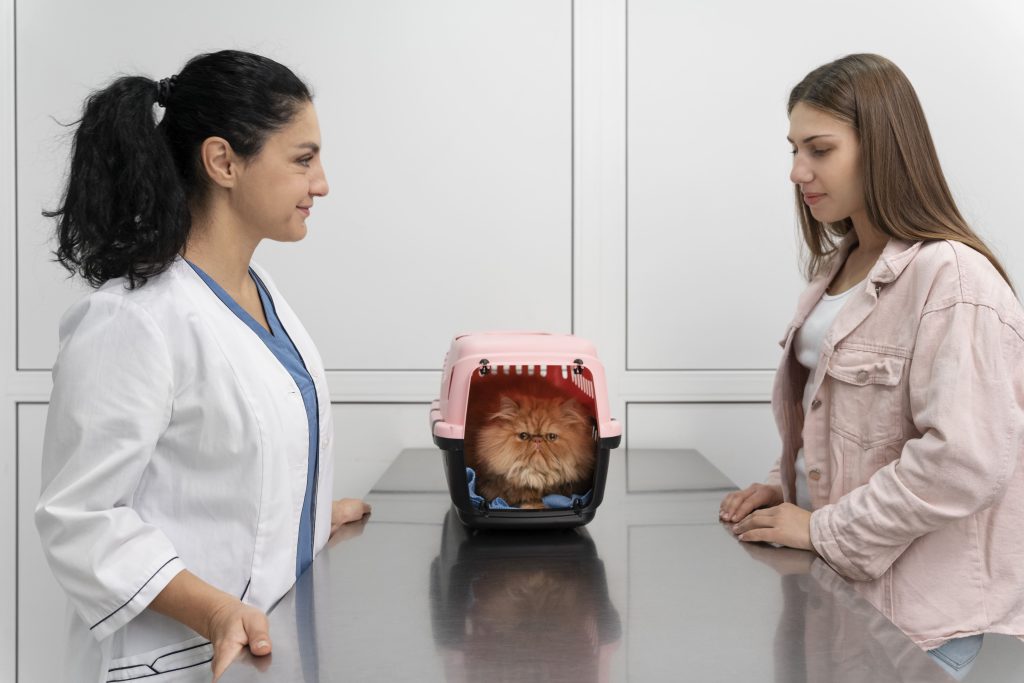
Recognizing the Problem
Before we drive into a diet plan, this is important to determine whether your pet is overweight. Not all pets are built the same, and breed, age, and body shape can play a role in what a “healthy weight looks like.
A simple way to check is by doing a visual and touch test. You should be able to feel ( but not necessarily see) your pet’s ribs without too much padding. When you look at the fro above, there should be a noticeable waist. If your pet looks more like a sausage than a sleek panther or pup, it might be time a take action.
Of course, the best way to be sure is to check in with your vet; they can assess your pet’s body condition and help create a weight loss plan tailored to their specific needs.
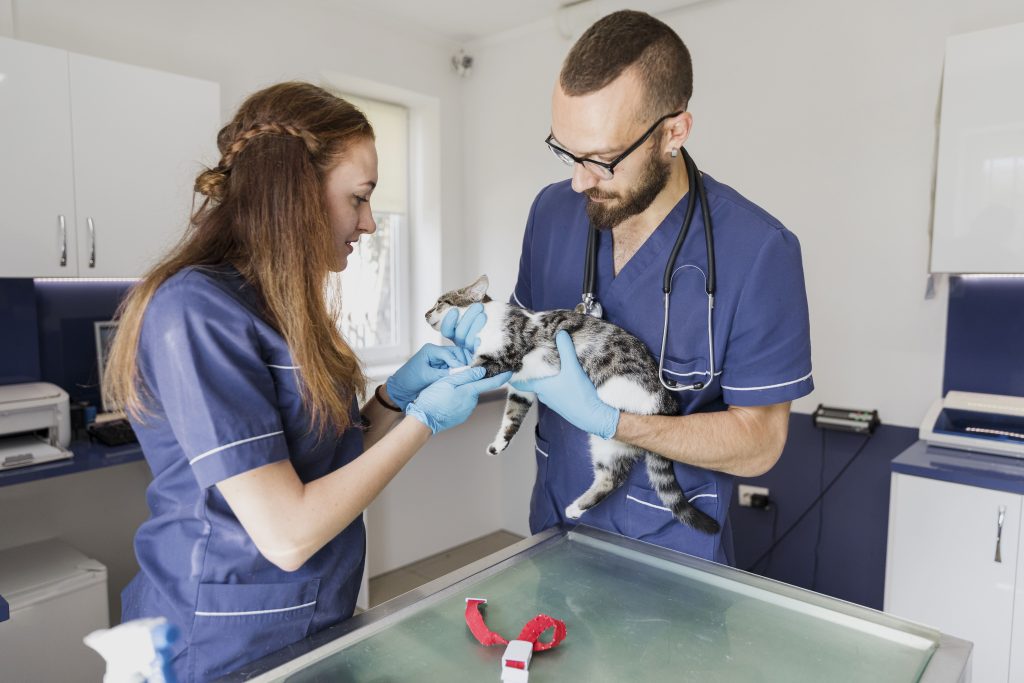
Start With a Vet Visit
It’s temptn overweight, tere could be uderlaying health issues contrbuting to their wght gain. Hypothyroidism, for example, is a common cause of weight gain in dogs.
Your vet does weigh your pet, evaluates their overall health. And recommend a target weight and timeframe for reaching it. This helps create a realistic plan that doesn’t risk your pet’s well-being

Portion Control and Meal Planning
One of the biggest reasons is to weight gain of your pet is overfeeding. And honesty, it’s not always intentional; pet food labels can be confusing, and many owners unknowingly give too much.
Start by measuring your food using a proper measuring cup- no more eyeballing it. Stick to a consistent feeding schedule, and avoid free-feeding (leaving food out all day. Wch can encourage mindless snacking.
If your pet is on a commercial diet. Ask your vet about weight management formulas. These diets are often lower in calories but still provide essential nutrients and help pets feel full.
Homemade diets can also work, but they need to be carefully balanced. Simply feeding less of your pets regular food might lead to nutritional deficiencies. If you are going down the homedame route, consult with a veterinary nutritionist to ensure your pet gets everything they need.

Say Goodbye to High-Calorie Treats
It’s so easy to spoil your pet with treats. Those puppy eyes od soft meows are hard to resist. But treats can add up quickly. A few store-bought biscuits can be the caloric equivalent of a cheeseburger for a small dog or cat.
Rather than cutting out treats completely, switch to healthier alternatives. Baby carrots, green beans, apple slices (Minus the seeds), or bits of cooked chicken can all be great low-calorie rewards. Try using praise, toys, o playtime as other forms of positive reinforcement.
If treats are part of your pet’s training routine, account for them in their daily calorie total.
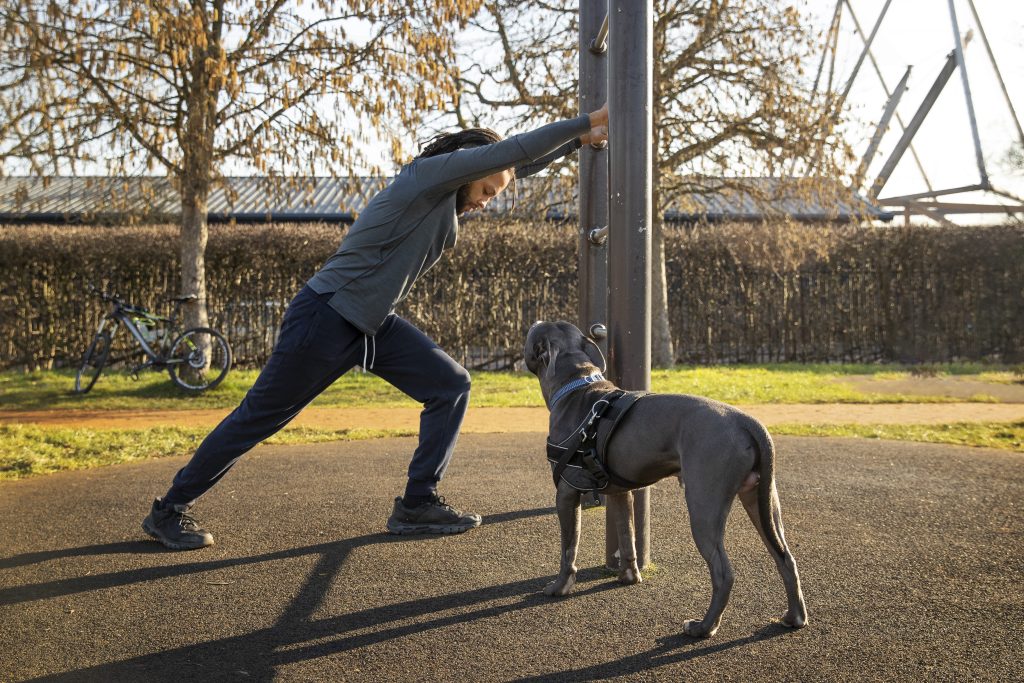
Get moving: The Exercise Factor
Diet is key, but exercise seals the deal. Regular physical activity helps burn calories, build muscle, and boost your pet’s overall mood.
Strat slow if your pet is out of shape. Gradually increase walks, play fetch in short bursts, or introduce puzzle toys that get your dog or cat moving. Indoor cats, in particular, often need more encouragement and want toys, laser pointers, or food-dispersing balls to get them interested.
Even small changes like taking an extra five-minute walk or playing for an additional 10 minutes a day can make a difference over time.
Monitor Progress Without Obsession
Weigh your pet every couple of weeks to see how things are going, but don’t stress over every ounce.like people, pets lose weight at different ates, and occasional platuaues are normal.
What matters most is consistency. If you are striking to a sensible feeding.
It’s a family affair
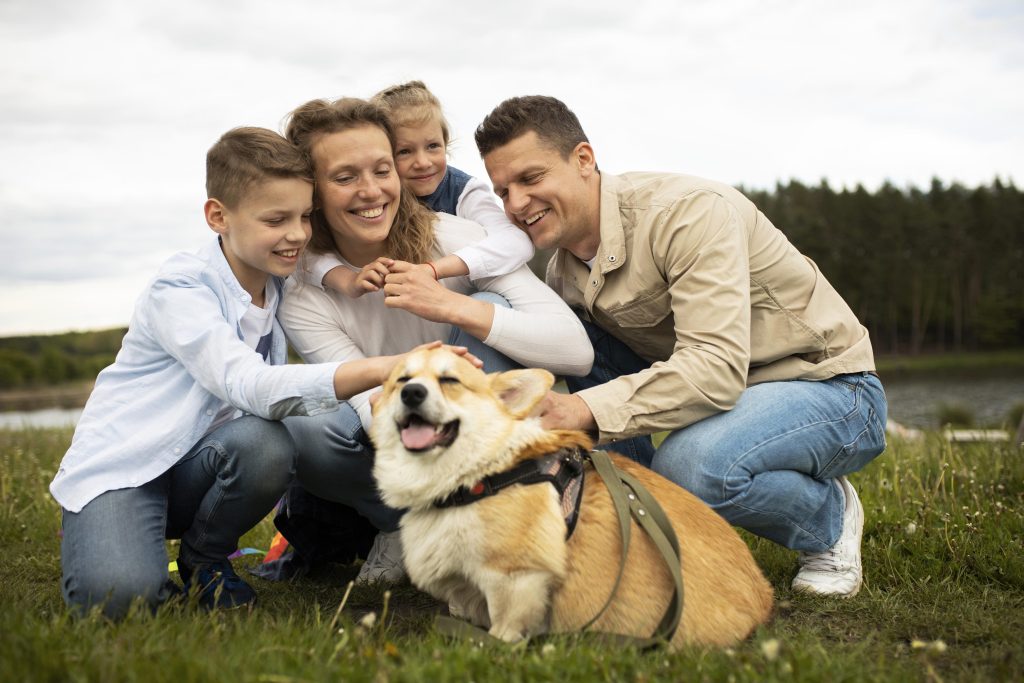
If you live in a household with multiple people, make sure everyone is on the same page. It’s good if one person is striking about the diet while another is sneaking treats under the table.
Set clear rules for feeding time, portion sizes, and treats, you might even post chats on the fridge to help everyone stay accountable.
If you have multiple pets, it may be necessary to feed them separately- especially if one is on a weight loss plan and the others are not.
Colcutions
Helping your overweight pet get fit isn’t about perfections- it’s about small, sustainable changes that add up over time. With patience, commitment, and lots of love, your furry companions can shed the extra pounds and enjoy a healthier, more active life.
Remember, it’s not about taking things away from your pet. T about giving them more. Energy. More yers by yor side. More tails wag purr.
Honestly, what could be better than that?