

Adopting a puppy in your family and home is an exciting and heartwarming experience. These adorable bundles of energy quickly become cherished members of the family. however, raising a well-behaved, happy puppy requires patience, consistency, and knowledge. As a first pet owner, navigating puppy training can be overwhelming. To help you in this journey, we will provide you with 10 best puppy training tips to set you and your furry friends up for success. So, without wasting your time let’s drive in
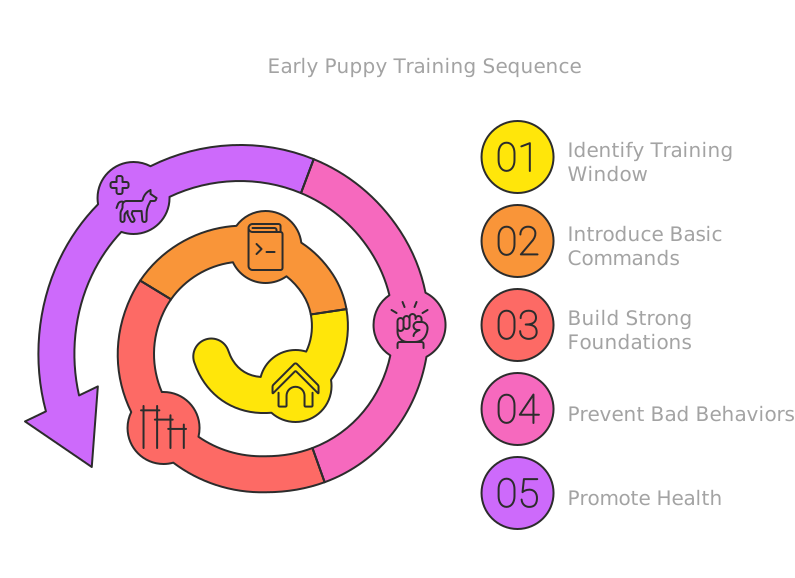
Early in the morning, you bring training your puppy the batter, puppies are most impressionable between 7 and 16 weeks old, making this ideal window to instill good habits. Begin with basic commands such as sit, stay, and come to build strong foundations. Early training also helps to stay healthy and prevent bad behaviors from becoming ingrained.
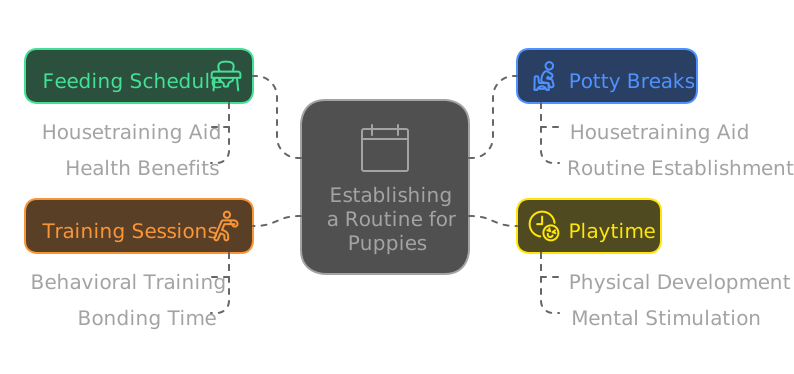
Puppies thrive on routine, consistent schedules for them like feeding, potty breaks, playtime, and training sessions create structure and help your puppy feel secure and day by day it’s become their habit. Regular mealtimes and potty breaks also aid in housetraining, as puppies learn to associate certain times with specific activities,
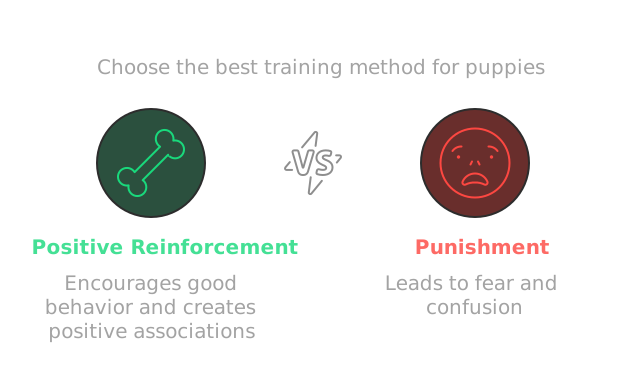
Positive reinforcement is one of the most effective training methods.l rewarded good behavior with praise or playtime. For instance, if you are commanded to have your puppy sit or go potty outside. Immediately provide a treat or say a good job. In an excited tone. That will create a positive scene in their mind. Avoid punishment as it can lead to fear and confusion.
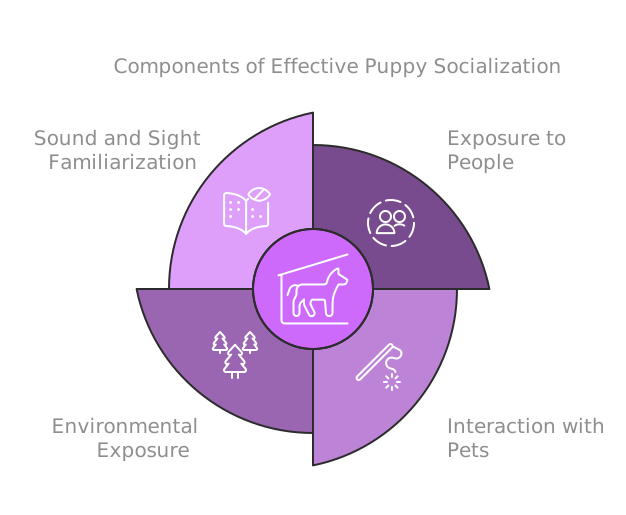
Socialization is one of the best methods to well-adjust dogs. Expose your puppy to different people, pets, environments, and situations early on. You can take them to a park near you. Let them meet friendly dogs and introduce them to various sounds and sights. Proper socialization can reduce anxiety and help prevent fear-based behaviors later in life.
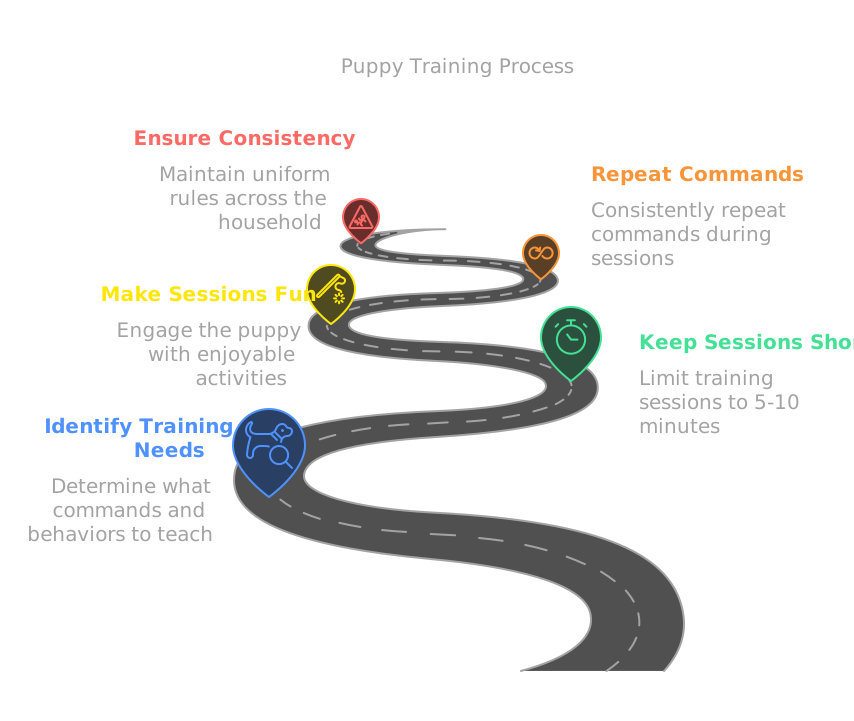
Training a puppy’s tajes a time and consistency. Puppies are sensitive and have short attention spans, so keep training sessions shots and fun. – around 5 to 10 minutes at a time. Repeat commands and behaviors frequently and be consistent with rules. For example, If you don’t want your puppy in furniture then ensure everyone in your household enforces the same rule.
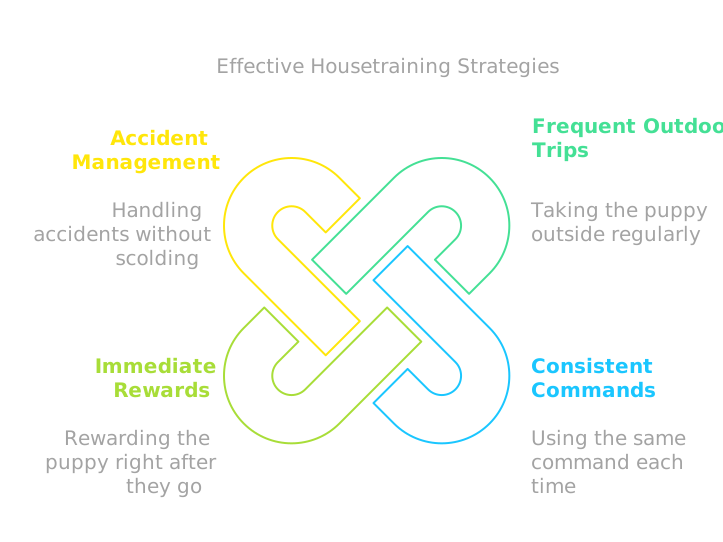
Housetraining is the most effective for new puppy owners, take your puppy outside frequently, especially after meals, naps, and playtimes, and this time use a consistent command like, go potty and reward them immediately after they do their business outside. Accidents are inevitable, try to always clean them thoroughly to remove odors and avoid scolding your puppy.
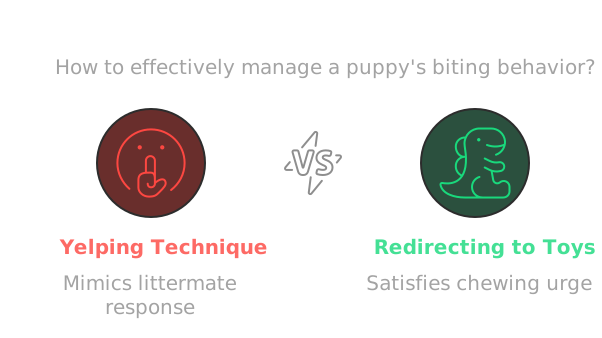
Puppies explore the owls with their mouths which often leads to nipping and biting. Give them training bite inhibition by yelping ouch in a high-pitched voice if they bite too hard, mimicking how their littermates would react. Redirect their biting behavior to appropriate ched toys to satisfy their natural urge to chew.
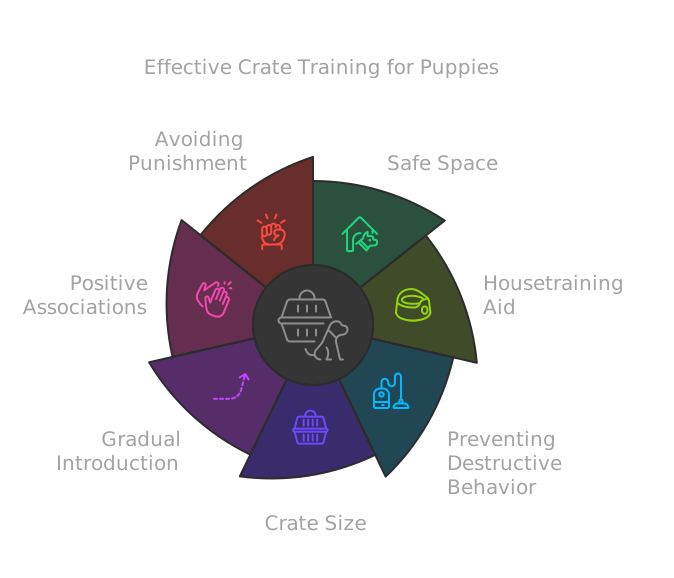
By proper puppy training provide your puppy with safe and comfortable spaces while also aiding housetraining and [preventing destructive behavior when unsupervised. Choose a crate that is just large enough for your puppy to stand turn around, and lie down comfortably, introduce the crate gradually with treats and positive associations, and never use it as punishment.
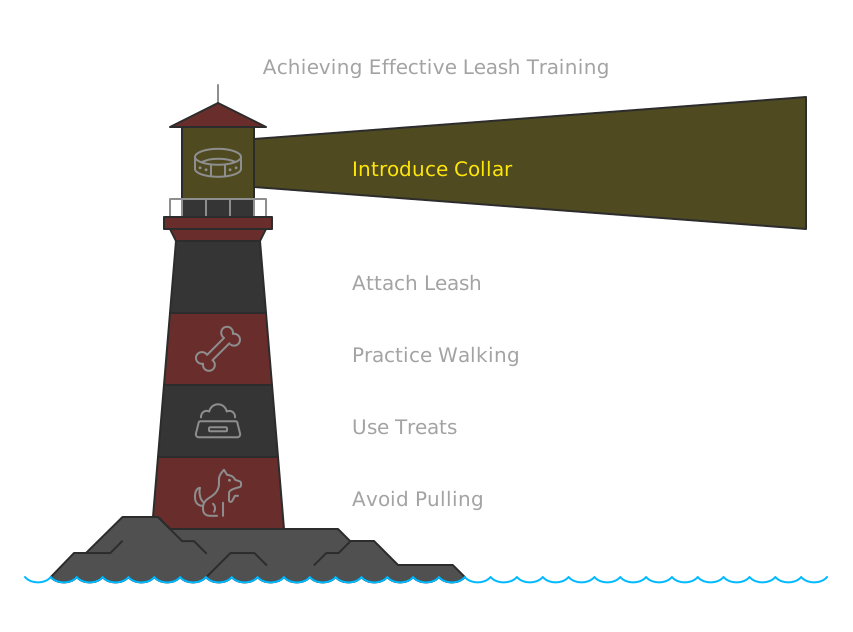
Lash training is crucial for safe walks and outings. Start by letting your puppy wear a lightweight collar or harness indoors to get accustomed to it. Attach a leash and practice walling in shots, and controlled sessions, use treats and prause to encourage walking calmly by your side, and avoid letting your puppy pull on the leash.
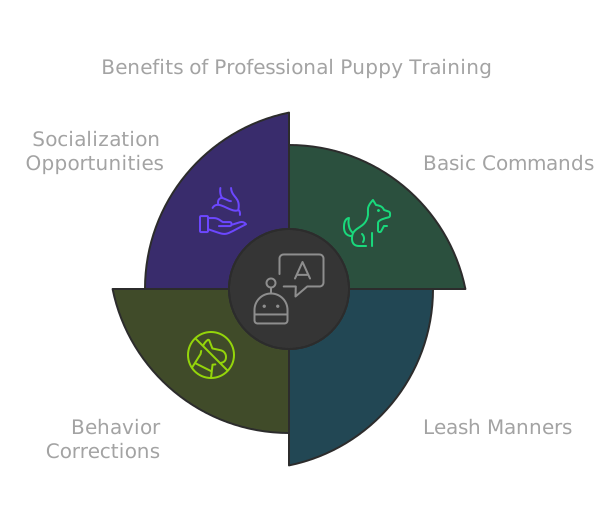
By professional puppy training you can get valuable benefits, especially for first-time owners. FI you hire a certified trainer they provide you guidance on basic commands, leash manners, and behavior corrections. Additionally, these classes make a great opportunity for socialization, allowing your puppy to interact with other dogs in a controlled environment.
Puppies have short attention spans. Limits training sessions to 5-10 minutes and focus on command at the time.
Remember, always one thing your puppies are learning needs to time progress now iy;s will slow but celebrating small milestones will keep both of you motivated.
If you can buy some interactive toys. Puzzle feeders and games like hide and seek keep your puppy’s mind sharp and engaged.
Puppy training takes much time, effort, and a lot of love but its results are worth it. By following our 10 best puppy training tips you will raise a well-behaved, confident, and happy dog who fits seamlessly into your family.
Enjoy your journey and remember that every pu[ppy is unique I say all time.. Celebrate their progress, be patient with their challenge, and cherish the special bond you are building.
Have any tips worked for you? Share your puppy training experiences in the comments below—we’d love to hear from you!